Health Conditions Made Simple: What You Need to Know
Wondering how to recognize common health issues or prevent them from getting worse? You’re not alone. Health conditions can be confusing, but a little knowledge goes a long way in keeping you and your loved ones safe. Here, we break down key info to help you take control of your health without the jargon.
Spotting Symptoms Early: Why It Matters
Notice a rash, unusual tiredness, or aches that don’t quit? Those signs aren’t just random—they could be your body telling you something’s off. Catching problems early often means simpler treatment and faster recovery. Take scabies, for example. It’s caused by tiny mites and shows up as really itchy skin. Knowing what to watch for helps you act fast and avoid spreading it to others.
Simple Prevention Steps You Can Use
Preventing health issues doesn’t always mean pricey tests or complicated routines. Sometimes, the best shield is everyday habits. Washing hands regularly, keeping common areas clean, and staying informed about outbreaks in your community make a big difference. Plus, following any advice from public health officials can stop diseases before they start. For conditions like scabies, this means educating everyone around you and seeking treatment as soon as symptoms appear.
Understanding health conditions shouldn’t be overwhelming. By staying alert to symptoms and practicing basic prevention, you’re already ahead of the game. Keep exploring our site for quick and clear info that puts health know-how right at your fingertips.
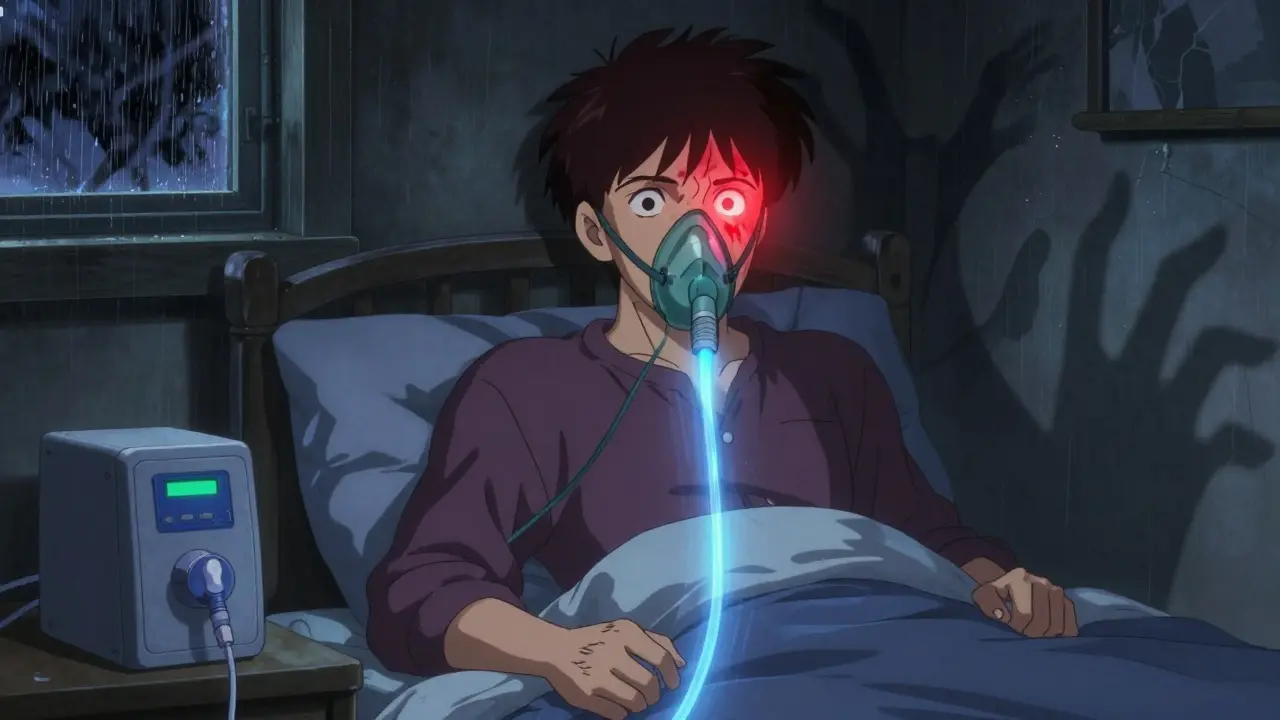
Cluster Headaches: Severe Pain and Oxygen Therapy
Cluster headaches cause excruciating, one-sided pain often triggered at night. Oxygen therapy is the most effective, fast-acting, and safest treatment - working for up to 82% of patients. Learn how to use it correctly, what equipment you need, and why insurance often blocks access.

Vaccines for Immunosuppressed Patients: When to Get Them and What to Expect
Vaccines for immunosuppressed patients require careful timing to work. Learn how common drugs like rituximab, methotrexate, and prednisone affect vaccine response-and what to do to stay protected.
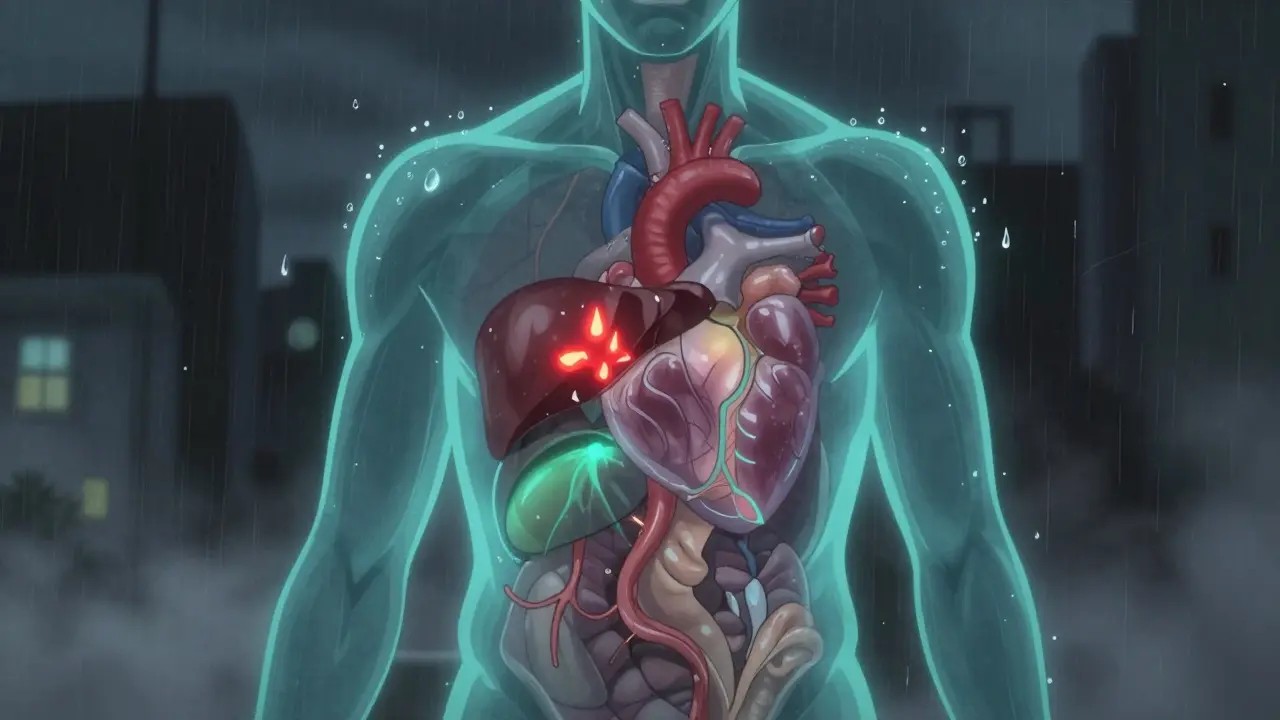
Obesity Comorbidities: How Diabetes, Heart Disease, and Sleep Apnea Connect and What to Do About It
Obesity doesn't just add weight-it triggers diabetes, heart disease, and sleep apnea in a dangerous cycle. Learn how these conditions connect, why they're often missed, and what actually works to break the chain.

Presbyopia: Why You Can't Read Up Close After 40 and What You Can Do About It
Presbyopia is the natural loss of near vision that affects everyone after 40. Learn why it happens, how strong your reading glasses should be, and what alternatives like progressives, contacts, or surgery can help you see clearly again.

Huntington’s Disease: Understanding Genetics, Chorea, and Care Planning
Huntington’s disease is a genetic brain disorder causing chorea, cognitive decline, and emotional changes. Learn how it’s inherited, how chorea progresses, and why early care planning is critical for quality of life and survival.

Peripheral Artery Disease: Symptoms, Diagnosis, and Treatment
Peripheral artery disease causes leg pain from blocked arteries and raises heart attack risk. Learn the key symptoms, how it's diagnosed with a simple ankle test, and proven treatments that can save your legs and your life.
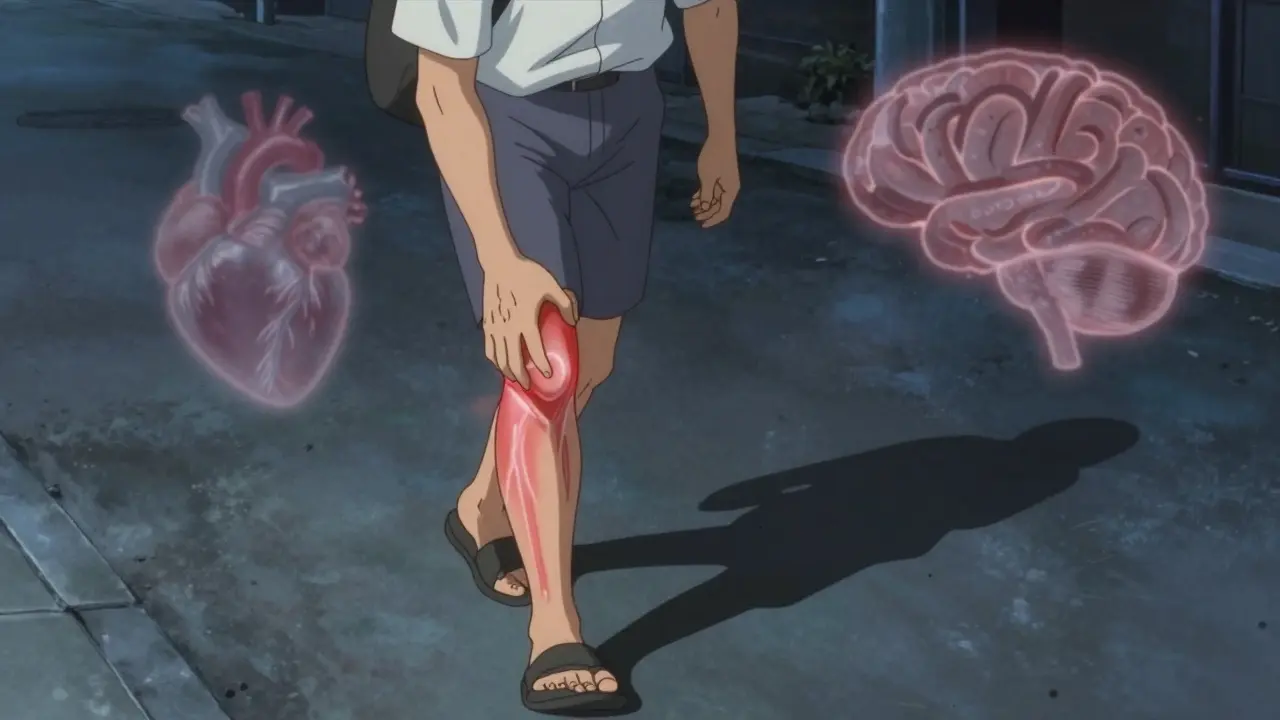
Peripheral Artery Disease: Symptoms, Diagnosis, and Treatment
Peripheral artery disease (PAD) causes leg pain and increases heart attack and stroke risk. Learn the real symptoms, how it’s diagnosed with ABI tests, and proven treatments-from walking to stents-that can save your legs and your life.
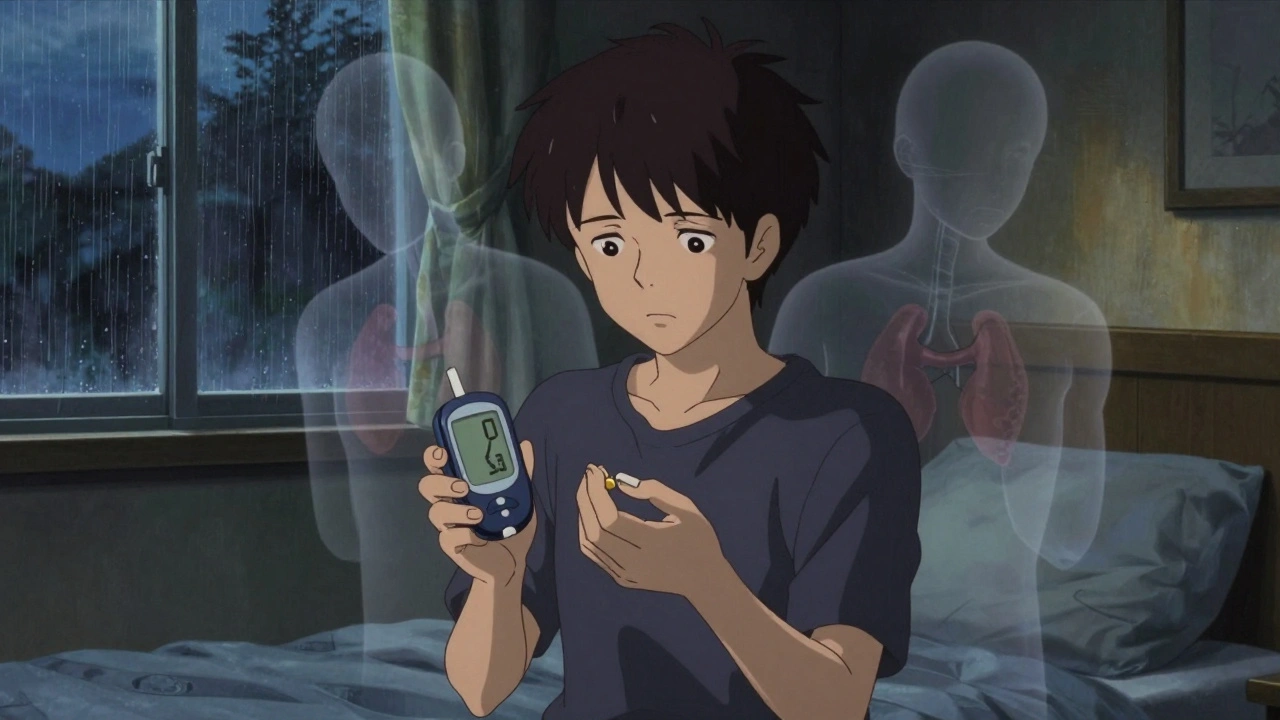
Diabetes and Thyroid Disease: Overlapping Symptoms and How to Manage Both
Diabetes and thyroid disease often occur together, sharing symptoms like fatigue, weight changes, and hair loss. Learn how they interact, why standard care fails, and what testing and lifestyle changes can help you manage both effectively.

High Cholesterol: What You Need to Know About Hypercholesterolemia
High cholesterol, or hypercholesterolemia, is a silent but deadly condition that raises your risk of heart attack and stroke. Learn how to test for it, understand genetic vs. lifestyle causes, and what treatments actually work.
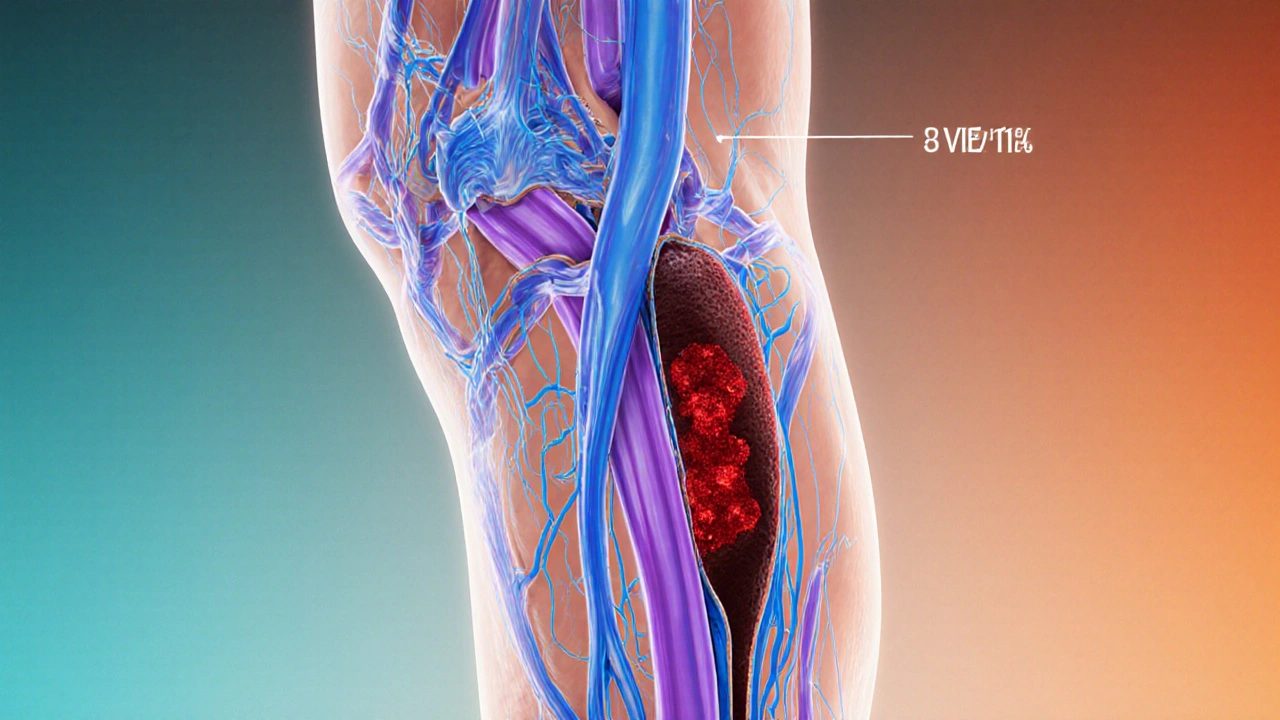
Deep Vein Thrombosis and Varicose Veins: How They're Linked and What to Do
Explore how varicose veins and deep vein thrombosis are connected, learn shared risk factors, symptoms to watch for, and practical steps to prevent serious complications.
- 1
- 2