Category: Medications - Page 2
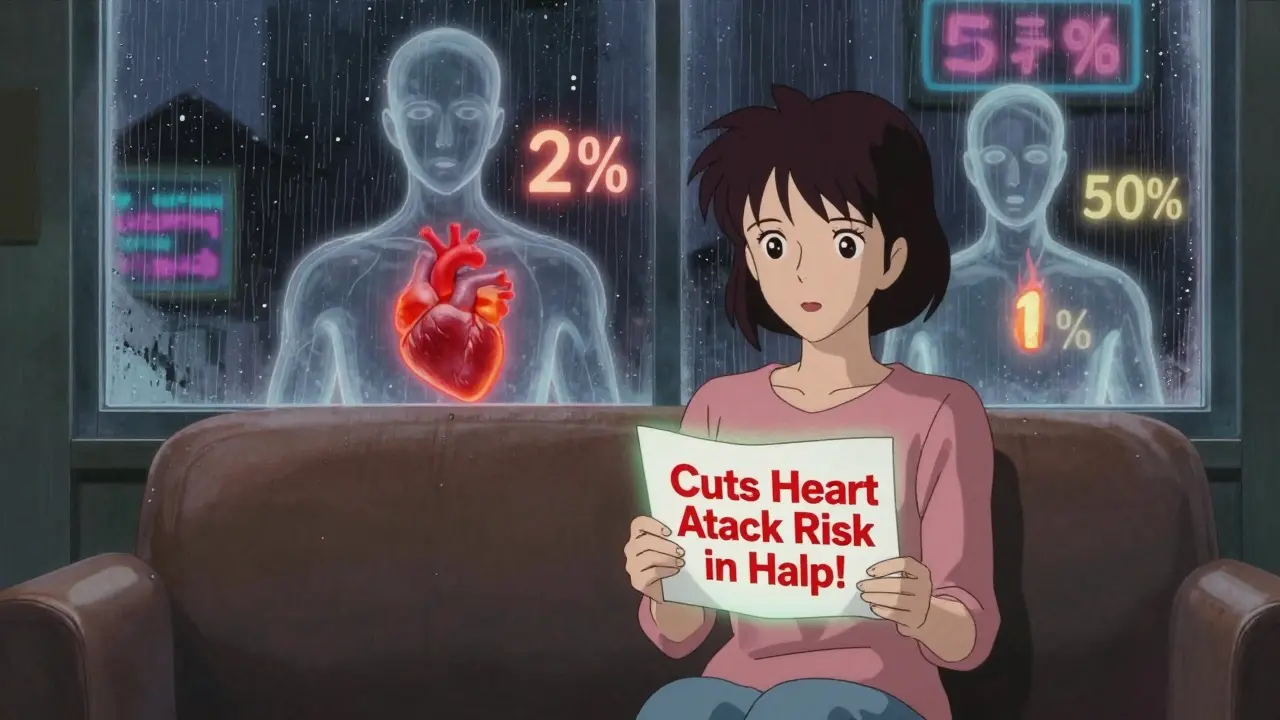
Absolute Risk vs Relative Risk in Drug Side Effects: How to Interpret Numbers
Learn how absolute and relative risk affect your understanding of drug side effects and benefits. Stop being misled by pharmaceutical ads and make smarter decisions with real numbers.

Selegiline Transdermal and Serotonergic Drugs: How to Avoid Dangerous Interactions
Selegiline transdermal (EMSAM) is a powerful antidepressant, but mixing it with common drugs like SSRIs, tramadol, or even OTC cough medicine can cause life-threatening serotonin syndrome. Learn the real risks, washout timelines, and what to do to stay safe.

Opioid Safety: Naloxone, Overdose Risks, and Safe Storage
Naloxone can reverse opioid overdoses in minutes - but only if it’s available, known how to use, and stored properly. Learn how to recognize overdose signs, use the nasal spray, and keep it ready for emergencies.

Generic Drugs vs. Brand-Name Medications: What You Need to Know in 2026
Generic drugs save patients up to 85% on medication costs while meeting FDA standards for safety and effectiveness. Learn how they compare to brand-name drugs, when to choose them, and what to watch out for with certain conditions. Find out why 90% of prescriptions in the U.S. are generics and how to make informed decisions about your healthcare.
Digital Adherence Tools for Generic Medications: A 2026 Guide
Explore digital tools that help patients stick to generic meds. Learn about cost-effective solutions, real-world data, and practical steps to improve adherence. Cutting-edge tech is reducing healthcare costs by $300 billion annually.

Grapefruit Juice and Medications: What You Need to Know Before You Drink
Grapefruit juice can dangerously increase levels of many common medications, leading to serious side effects. Learn which drugs are risky, why the interaction lasts days, and how to stay safe.
Thyroid Medications: Levothyroxine Safety and Monitoring
Levothyroxine is effective for hypothyroidism, but safety depends on proper dosing and regular TSH monitoring. Learn how to avoid common mistakes, recognize dangerous side effects, and ensure your treatment stays on track.

Compounded Medications: When Custom Formulas Are Needed for Personalized Care
Compounded medications offer custom drug formulas for patients who can't use standard pills due to allergies, dosage needs, or swallowing issues. But they come with risks-here's how to use them safely.

Combination Therapy: How Lower Doses of Multiple Medications Reduce Side Effects
Combination therapy uses lower doses of multiple medications to improve disease control while reducing side effects. Proven in hypertension, diabetes, and cancer, it offers better outcomes with fewer adverse events than high-dose monotherapy.
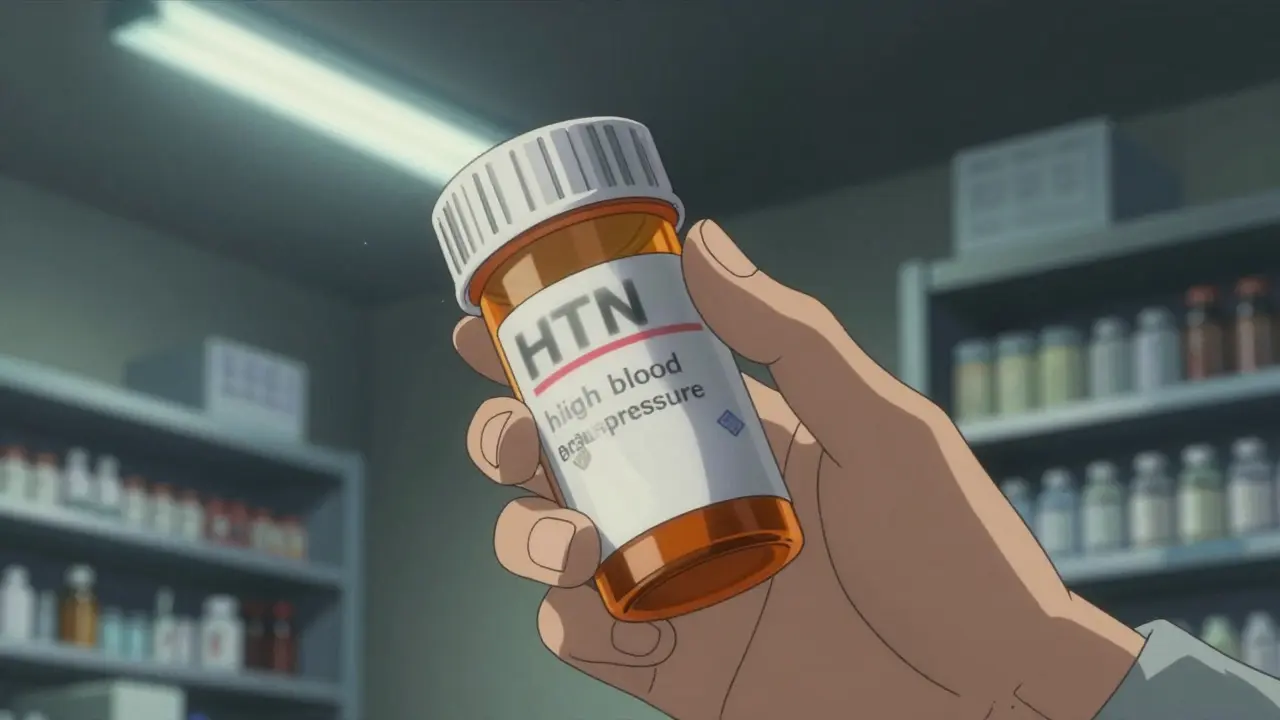
Prescription Label Layouts: Why Your Medication Bottle Looks Different
Prescription labels in the U.S. vary wildly because there's no federal standard. Learn why your medication bottle looks different each time you refill - and what you can do to stay safe.