
When Standard Pills Don’t Work, What Then?
Imagine your child refuses to swallow a pill because it tastes like chalk. Or your elderly parent can’t swallow tablets at all, and the liquid version they need isn’t made anymore. Maybe you’re allergic to the dye in your blood pressure pill, or your hormone levels need a dose that no drug company makes. These aren’t rare cases-they’re everyday realities for thousands of people. That’s where compounded medications come in.
Compounded medications aren’t mass-produced. They’re made by pharmacists, one at a time, to fit a specific patient’s needs. This isn’t science fiction. It’s a practical solution when off-the-shelf drugs just don’t cut it. But here’s the catch: while they can be lifesavers, they also carry risks if not done right.
What Exactly Is a Compounded Medication?
A compounded medication is a custom-made version of a drug, mixed by a pharmacist using raw ingredients. It’s not something you buy at CVS or Walgreens off the shelf. It’s prescribed by a doctor, then created in a specialized pharmacy.
Think of it like baking a cake from scratch instead of buying a pre-made one. You can adjust the sugar, skip the nuts, add a flavor your kid loves, or make it gluten-free. Compounding works the same way-with drugs. Need a 1.5 mg dose when only 1 mg and 2 mg are sold? Done. Allergic to lactose or red dye? The pharmacist removes it. Can’t swallow pills? It becomes a gel, a liquid, or a patch.
According to the FDA, these aren’t FDA-approved products. That means the agency doesn’t test them before they’re given to patients. Unlike commercial drugs, which go through years of clinical trials, compounded meds rely on the pharmacist’s skill and the pharmacy’s quality controls. That’s why choosing the right pharmacy matters more than ever.
Who Needs These Custom Formulas?
Not everyone needs compounded medication-but about 3 to 5% of patients do. These are the people for whom standard drugs simply don’t work.
- Children: Many pediatric meds come in bitter, unpalatable forms. Flavored liquids or chewable gels made with cherry, grape, or bubblegum can turn a 40% adherence rate into 95%. One parent on Reddit shared that their child’s compounded ADHD medication with cherry flavor made all the difference.
- Elderly patients: Up to 70% of older adults have trouble absorbing pills through the gut. Transdermal gels applied to the skin bypass that problem entirely.
- Allergy sufferers: Around 15 million Americans react to common additives like gluten, dyes, or preservatives in pills. Compounding lets pharmacists strip those out.
- Chronic pain patients: Instead of taking five different pills for pain, inflammation, and nerve sensitivity, a single topical cream can combine all three-reducing side effects and simplifying the routine.
- People needing hormone therapy: Bioidentical hormone creams or pellets require precise ratios only a compounding pharmacy can deliver.
- Veterinary patients: A dog that needs 3.7 mg of a drug? No company makes that. But a compounding pharmacy can.
These aren’t edge cases. They’re real people trying to manage health conditions with tools that weren’t built for them.
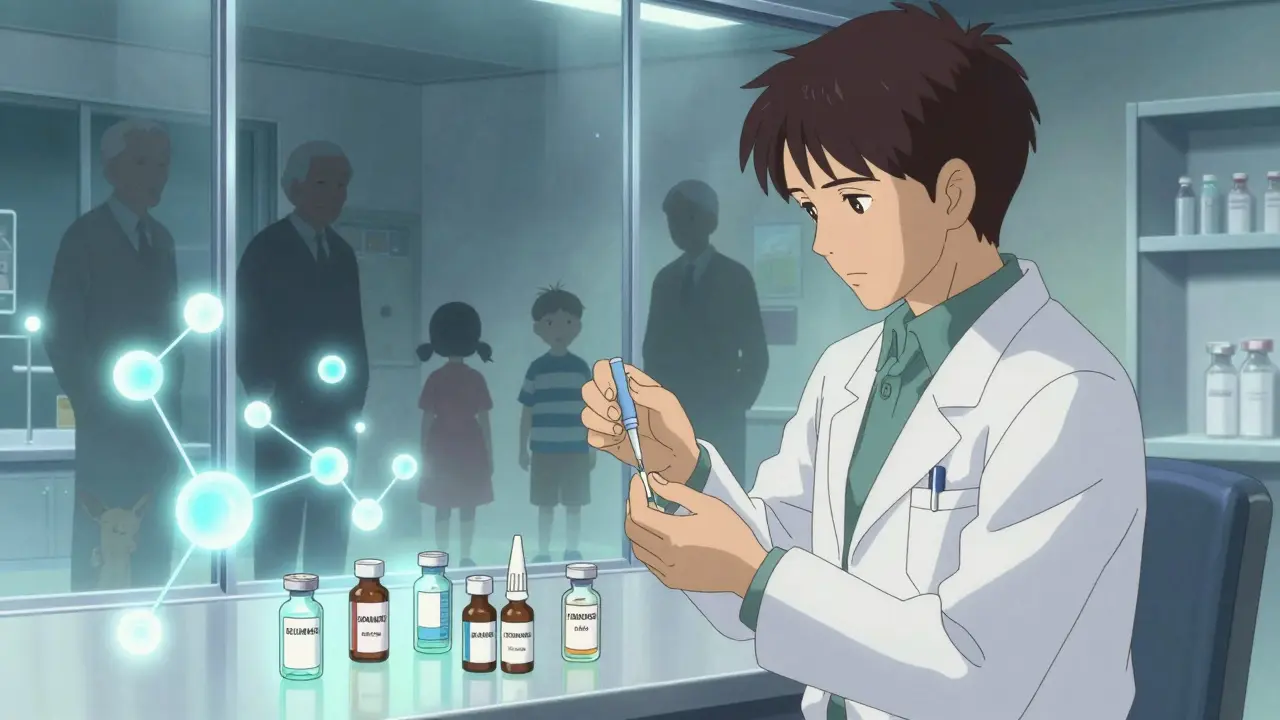
The Hidden Risks: When Compounding Goes Wrong
Compounded medications saved lives. But they’ve also caused tragedies.
The 2012 fungal meningitis outbreak linked to contaminated steroid injections from the New England Compounding Center killed 64 people and sickened nearly 800. The cause? Poor sterilization, dirty facilities, and lack of oversight. It wasn’t a fluke-it exposed systemic flaws.
Between 2010 and 2020, compounded drugs made up only 1% of all prescriptions but accounted for 17% of drug recalls. Why? Because unlike FDA-approved drugs, they don’t undergo batch testing for purity, potency, or contamination. One patient on PatientsLikeMe reported their compounded thyroid medication varied wildly in strength from one batch to the next, sending their TSH levels into chaos.
It’s not that compounding is dangerous-it’s that bad compounding is dangerous. And without strict standards, the line between a lifesaving custom dose and a harmful mistake gets blurry.
How to Find a Safe Compounding Pharmacy
Not all compounding pharmacies are created equal. There are about 7,500 in the U.S., but only 350 are accredited by the Pharmacy Compounding Accreditation Board (PCAB). That’s less than 5%.
Here’s how to find a trustworthy one:
- Ask your doctor for a referral. They often work with local compounding pharmacies they trust.
- Check if the pharmacy is PCAB-accredited. Visit pcab.org to search their directory.
- Look for pharmacies that follow USP standards: USP <795> for non-sterile compounds and USP <797> for sterile ones. These cover everything from cleanroom design to staff training.
- Ask what testing they do. Do they test each batch for strength and contamination? If they say no, walk away.
- Check reviews. Specialty compounding pharmacies average 4.6 out of 5 stars on Healthgrades. General pharmacies offering limited compounding? Only 3.8.
Don’t settle for convenience. This isn’t a prescription you want to get from a random online vendor.
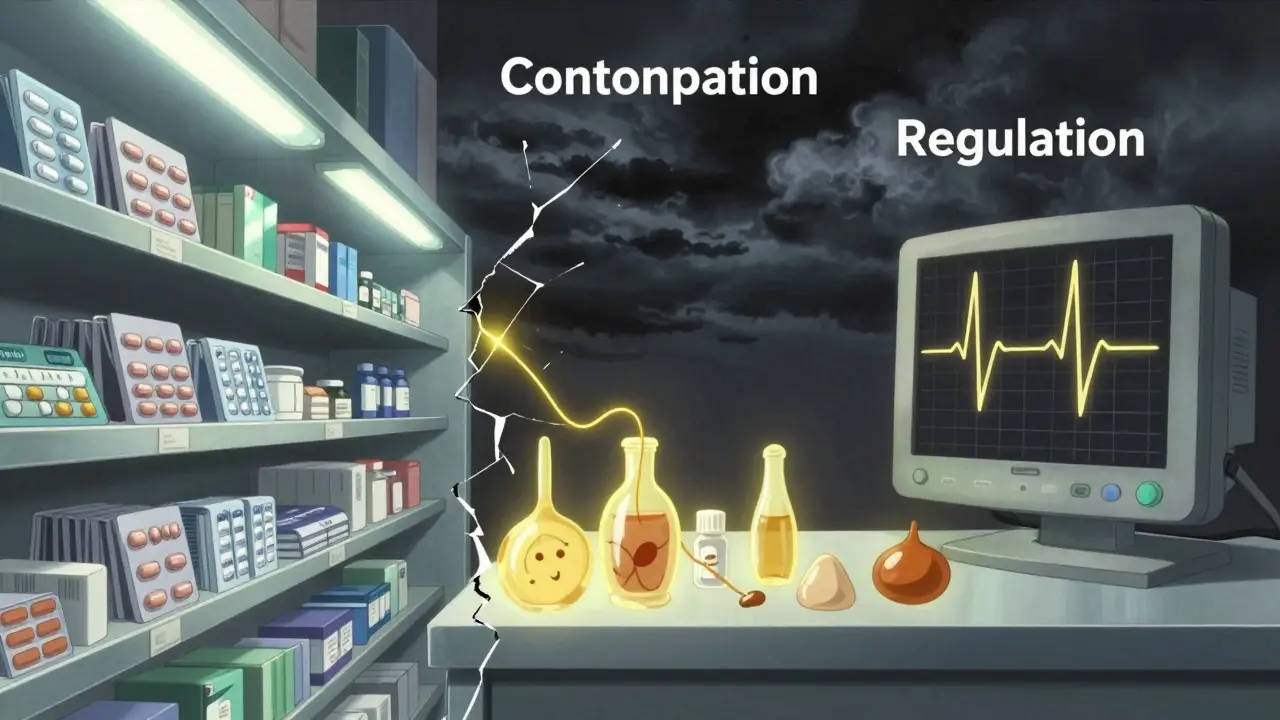
Cost and Insurance: What You’ll Pay
Compounded meds cost more than generic pills. A basic non-sterile compound might run $30-$100. A sterile injection? $200-$500. Compare that to a $10-$50 generic.
Insurance coverage is spotty. Medicare Part D covers only 42% of compounded medication claims. Private insurers vary widely. Some won’t cover them at all unless your doctor proves no commercial alternative exists.
Always ask the pharmacy for a cash price before filling the prescription. Some offer discounts for upfront payment. Others will help you submit a claim and appeal if it’s denied.
What’s Changing in 2026?
The regulatory landscape is tightening. After years of lax oversight, the FDA has stepped up enforcement. In 2022 alone, they issued 12 warning letters to compounding pharmacies for improper sterilization, mislabeling, and producing drugs in bulk like manufacturers.
One big focus now is compounded weight-loss drugs like semaglutide. Pharmacies that make large batches and ship them nationwide are being targeted. The FDA says these aren’t compounding-they’re manufacturing, and they’re breaking the law.
At the same time, innovation is growing. Some pharmacies now use genetic testing to tailor doses based on how a patient metabolizes drugs. Early results show 30% better outcomes in people with specific gene variants like CYP2D6.
But experts agree: compounding should be the exception, not the rule. As Dr. Michael Ganio of ASHP puts it, “If a commercial drug works, use it. Compounding is for when there’s no other option.”
Final Thought: Safety First, Customization Second
Compounded medications fill real gaps in care. For some, they’re the only way to take medicine safely. But they’re not magic. They’re medicine-and like all medicine, they demand respect.
If you or a loved one needs a custom formula, don’t rush. Talk to your doctor. Find a qualified pharmacy. Ask questions. Demand transparency. The right compound can restore your quality of life. The wrong one? It could cost you more than money.
Are compounded medications FDA-approved?
No. Compounded medications are not FDA-approved. The FDA does not review them for safety, effectiveness, or quality before they’re given to patients. They’re regulated under different rules than mass-produced drugs, and their safety depends entirely on the pharmacy’s practices.
Can any pharmacist compound medications?
Technically, yes-but not all should. While any licensed pharmacist can legally compound, doing it safely requires special training, equipment, and sterile environments. Pharmacies accredited by the Pharmacy Compounding Accreditation Board (PCAB) meet the highest standards. Avoid pharmacies that don’t advertise their credentials or refuse to share their protocols.
Why do compounded medications cost more than regular ones?
Because they’re made one at a time, by hand, with high-quality ingredients and strict quality controls. A commercial drug is made in batches of thousands, lowering the cost per unit. A compounded dose requires individual preparation, testing, and documentation. Sterile compounds also need cleanrooms and specialized equipment, which adds to the price.
Is it safe to order compounded medications online?
Only if the pharmacy is licensed in your state and accredited by PCAB. Many online vendors sell unregulated, potentially dangerous compounds. The FDA has cracked down on pharmacies that ship large volumes of compounded drugs across state lines without proper oversight. If a website offers to ship compounded semaglutide or hormones without a prescription, it’s illegal and unsafe.
How do I know if my compounded medication is working properly?
Track your symptoms and lab results. If you’re on compounded thyroid medication, monitor your TSH levels. If it’s a pain cream, note how long relief lasts and if it’s consistent across refills. If your symptoms fluctuate wildly or you notice side effects that weren’t there before, talk to your pharmacist. Batch inconsistency is one of the most common issues with compounding.

franklin hillary
I've seen this firsthand with my niece. She couldn't take her ADHD med because it tasted like burnt chalk. We found a compounding pharmacy that made it into a grape gummy. She takes it like candy now. Life changed. No more tears at breakfast. No more battles. Just a happy kid who remembers to take her medicine. That's the power of custom meds. Don't let bureaucracy rob people of this.
Melissa Melville
So you're telling me the same guy who made my cousin's cat's thyroid cream also made the stuff that killed those people in 2012? Cool. I'll just stick with my $12 generic and hope for the best.
Lilliana Lowe
The article's use of 'lifesavers' as a metaphor for compounded medications is both emotionally manipulative and scientifically imprecise. Compounded drugs are not 'lifesavers'-they are unregulated pharmaceutical interventions that bypass the FDA's risk mitigation protocols. The 2012 outbreak was not an anomaly; it was an inevitable consequence of deregulation disguised as patient-centered care.
vivian papadatu
I work with elderly patients daily. One woman switched from a 10mg pill she couldn't swallow to a transdermal gel-her balance improved, her nausea vanished, and she started gardening again. That's not magic. That's medicine meeting real human needs. We need more pharmacies like this, not fewer. And yes, they cost more-but so does hospitalization when things go wrong.
Jamie Allan Brown
I'm from the UK and we have a similar system here-specialist compounding pharmacies under strict GMP guidelines. It's not perfect, but when done right, it's one of the most humane parts of healthcare. The key is transparency. If a pharmacy won't show you their cleanroom certification or batch logs, they shouldn't be trusted. Simple as that.
Nicki Aries
I just want to say-thank you for writing this. My daughter has a rare enzyme deficiency, and her medication is compounded. We've had two bad batches-one made her sick for weeks. We switched pharmacies, asked for testing reports, and now she's thriving. It's exhausting, but worth it. Please, if you're considering this, don't skip the questions. Ask for the certificate. Ask for the test results. Ask again.
Ed Di Cristofaro
Y’all are acting like this is some revolutionary breakthrough. It’s just a loophole. Big Pharma doesn’t want to make tiny doses or dye-free pills because it’s not profitable. So pharmacists step in to fill the gap-then we act like they’re saints. Meanwhile, the FDA is finally cracking down on the shady ones. Good. Let’s regulate this mess instead of romanticizing it.
Deep Rank
I think this whole thing is a scam honestly. Why do you think they let pharmacies do this? Because they know people are desperate. My aunt took a compounded hormone cream and got cancer. The pharmacy said it was 'natural' and 'bioidentical'-but natural doesn't mean safe. And who tests it? No one. They just mix stuff in a garage and ship it. I'm not saying don't use it-I'm saying don't be naive. The system is rigged.
Naomi Walsh
The FDA’s lack of oversight is not an oversight-it’s a policy failure. Compounding pharmacies operate in a regulatory gray zone that should not exist. If you’re making a drug for human consumption, it must meet the same standards as any other pharmaceutical. Period. The fact that we’re having this conversation at all is a failure of public health governance.
Bryan Coleman
My uncle got a compounded pain cream after his knee surgery. It had lidocaine, gabapentin, and ketamine. He said it worked better than the opioids they tried. No drowsiness. No constipation. Just relief. He’s 78. We found a PCAB pharmacy through his rheumatologist. Took a week to get approved by insurance. Worth every minute. Don’t just grab the first one you find.
Naresh L
There’s a deeper philosophical question here: when does individualized care become a form of medical fragmentation? We optimize for the one at the cost of the many. Compounding allows precision-but it also erodes standardization, which is the backbone of evidence-based medicine. Is this progress or regression? I’m not sure. But I know that for my cousin with a rare allergy, it was the only path forward.
Sami Sahil
My dog needed a 2.3mg dose of a heart med. No company made it. Compounded pharmacy did it in a tasty beef flavor. She takes it like a treat now. I paid $85 but saved a vet visit every month. If you’re scared of compounding, you’re scared of the wrong thing. Be scared of lazy doctors who won’t look for alternatives.
Bob Cohen
I love how people treat compounding like it’s a miracle cure. It’s not. It’s a workaround. Like using duct tape to fix a broken engine. Sometimes it works. Sometimes it explodes. And the people who benefit? They’re the lucky ones. The ones who don’t? They’re the ones in the obituaries. We need better drugs-not better loopholes.
Ishmael brown
I’ve been taking compounded testosterone for 5 years. My levels are perfect. My mood? Stable. My energy? Through the roof. And yeah, I’ve had two batches that felt off. I called the pharmacy. They sent me the lab report. They refunded me. That’s accountability. Not every pharmacy is a death trap. Stop scaring people with 2012. That’s not the norm. It’s the exception. And I’m not letting fear stop me from living.