Sodium Restriction: What It Means for Your Heart, Kidneys, and Blood Pressure
When you hear sodium restriction, the deliberate reduction of salt intake to improve health outcomes. Also known as low sodium diet, it's not a trendy fad—it's a medically backed strategy used by millions to manage high blood pressure, protect kidney health, and lower the risk of heart disease. Your body needs a little sodium to work properly—nerve signals, muscle contractions, fluid balance—but most people eat five to ten times more than they need.
Why does that matter? Too much sodium makes your body hold onto water. That extra fluid pushes harder against your blood vessel walls, raising your blood pressure. Over time, that strain damages your arteries, heart, and kidneys. People with existing kidney disease often need strict sodium restriction because their kidneys can't flush out the excess. Same goes for those with heart failure—reducing salt helps prevent fluid buildup that causes swelling and shortness of breath. And if you're on diuretics like Lasix or torsemide, sodium control isn't optional—it's part of the treatment plan.
It’s not just about skipping the salt shaker. Most sodium comes from packaged foods—bread, canned soups, frozen meals, deli meats, and even sweet snacks. You don’t need to go cold turkey, but learning to read labels and choosing low-sodium versions makes a real difference. Some people see their blood pressure drop just by switching from regular to low-sodium soy sauce, or swapping processed cheese for fresh. It’s about small, consistent changes that add up.
And it’s not one-size-fits-all. Someone with stage 3 kidney disease might need under 2,000 mg a day. Someone with borderline high blood pressure might do fine with 2,300 mg. The goal isn’t perfection—it’s progress. You’ll find real stories in the posts below: how people manage sodium while eating out, how it connects to medications like warfarin and diuretics, and what happens when you cut back without knowing why.
What you’ll see here aren’t theory-heavy guides. These are practical, real-world experiences from people who’ve lived with sodium restriction—whether they’re managing heart failure, controlling blood pressure after a stroke, or protecting their kidneys while on long-term meds. No fluff. Just what works, what doesn’t, and what you need to know before you start.
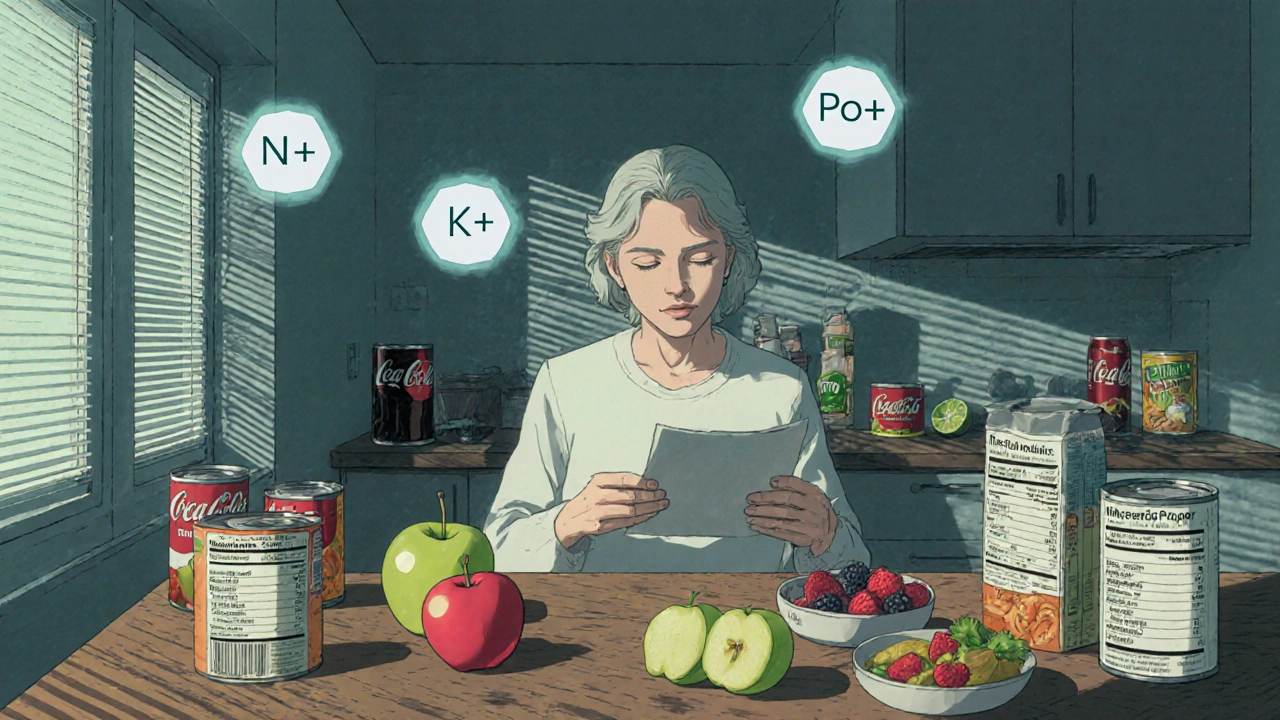
Renal Diet Guide: How to Manage Sodium, Potassium, and Phosphorus with Chronic Kidney Disease
Learn how to manage sodium, potassium, and phosphorus with a renal diet for chronic kidney disease. Practical food swaps, expert guidelines, and real-life tips to protect your kidneys and avoid complications.