Renal Diet: What to Eat and Avoid for Kidney Health
When your kidneys aren’t working right, what you eat becomes just as important as any medication. A renal diet, a structured eating plan designed to reduce strain on damaged kidneys by limiting certain minerals and fluids. Also known as a kidney-friendly diet, it’s not about starving yourself—it’s about making smarter choices so your kidneys don’t have to work overtime. If you have chronic kidney disease, diabetes, or high blood pressure, this diet isn’t optional. It’s a daily tool to slow damage, avoid hospital visits, and feel better long-term.
The low-sodium diet, a core part of renal care that cuts back on salt to prevent fluid buildup and high blood pressure is the foundation. Processed foods, canned soups, and frozen meals are full of hidden salt—even if they don’t taste salty. Swap them for fresh vegetables, plain meats, and herbs for flavor. Then there’s low-potassium foods, a category of foods chosen to keep potassium levels safe, since failing kidneys can’t flush out excess. Bananas, oranges, and potatoes are common troublemakers. Apples, cabbage, and green beans? Much safer. And don’t forget chronic kidney disease, a long-term condition where kidney function slowly declines, often driven by high blood pressure, diabetes, or high LDL cholesterol. The same foods that hurt your heart can wreck your kidneys too, which is why many renal diet guides also focus on cutting saturated fats and cholesterol.
People on dialysis need even stricter rules—more protein, less fluid, tighter control over phosphorus. But even if you’re not on dialysis yet, starting early makes a difference. You won’t see results overnight, but over months, your labs improve, your swelling goes down, and you feel less tired. The posts below cover exactly how to build a renal diet that works for your life: which foods to pick, how to read labels, what to do if you love tomatoes or peanut butter, and how to avoid common mistakes that make kidney disease worse. You’ll find real comparisons, practical lists, and no fluff—just what you need to eat right without feeling deprived.
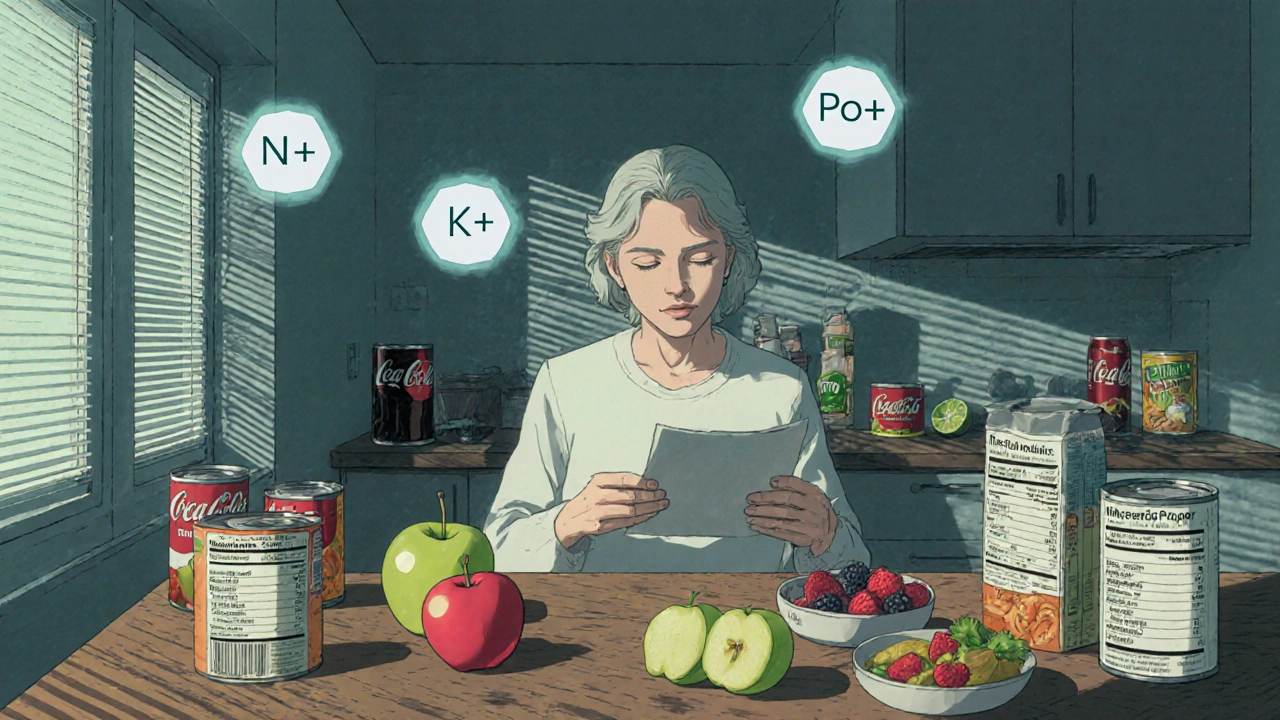
Renal Diet Guide: How to Manage Sodium, Potassium, and Phosphorus with Chronic Kidney Disease
Learn how to manage sodium, potassium, and phosphorus with a renal diet for chronic kidney disease. Practical food swaps, expert guidelines, and real-life tips to protect your kidneys and avoid complications.