Chronic Kidney Disease Diet: What to Eat, Avoid, and Why It Matters
When you have chronic kidney disease, a long-term condition where the kidneys gradually lose their ability to filter waste and excess fluids from the blood. Also known as CKD, it affects how your body handles nutrients—and what you eat can either slow the damage or make it worse. This isn’t about strict rules or starving yourself. It’s about smart choices that take pressure off your kidneys so they can keep working as long as possible.
Three big players control what goes on your plate: sodium, a mineral that controls fluid balance and blood pressure, phosphorus, a mineral that helps build bones but builds up dangerously when kidneys fail, and potassium, an electrolyte that keeps your heart beating normally. Too much of any of these when your kidneys are weak can lead to swelling, heart problems, or even sudden cardiac arrest. That’s why a chronic kidney disease diet isn’t optional—it’s life-saving.
You don’t need to memorize a hundred food lists. Start with what’s common: canned soups, processed meats, and frozen meals are loaded with sodium. Dairy, nuts, and colas pack in phosphorus. Bananas, potatoes, and oranges are high in potassium. Swapping them out doesn’t mean giving up flavor—just switching to fresh, unprocessed options. A baked chicken breast with steamed green beans beats a salted ham sandwich every time. And yes, you can still enjoy meals with family. It’s just about knowing what to pick from the table.
Some people with CKD also take diuretics like furosemide or torsemide to manage fluid. That changes what you drink and how much. Others need to limit protein to reduce waste buildup—yet still get enough to stay strong. It’s a balancing act, and your needs change as your kidney function drops. That’s why one-size-fits-all advice doesn’t work. But the basics do. Watch your salt. Cut back on processed junk. Know your phosphorus traps. Keep potassium in check. These aren’t guesses—they’re backed by years of clinical data and real patient results.
Below, you’ll find real guides from people who’ve been there. Some break down how to lower LDL cholesterol to protect kidneys, others show how to manage medications like ticlopidine when kidney function drops, and a few explain how to balance diet with diuretics like Lasix. You’ll see how diet connects to other conditions—like high blood pressure, bone loss, or even heart failure—and how small daily changes add up to big health wins. No fluff. No marketing. Just what works.
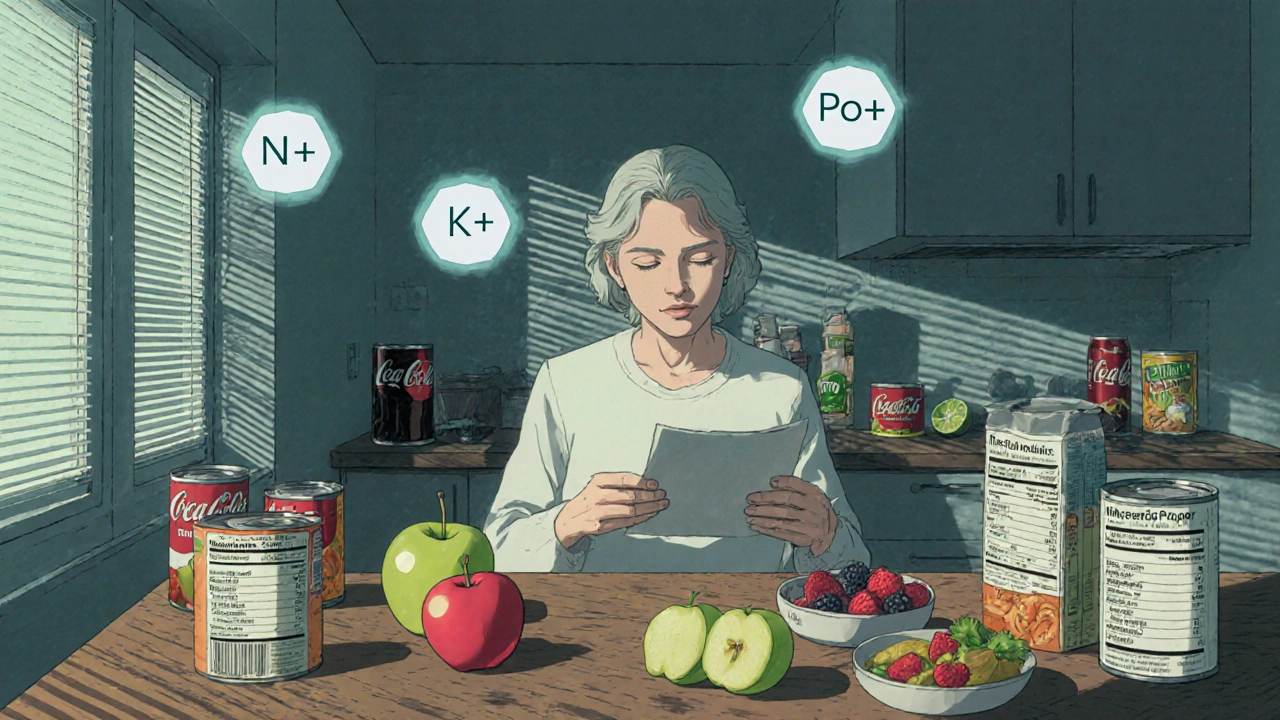
Renal Diet Guide: How to Manage Sodium, Potassium, and Phosphorus with Chronic Kidney Disease
Learn how to manage sodium, potassium, and phosphorus with a renal diet for chronic kidney disease. Practical food swaps, expert guidelines, and real-life tips to protect your kidneys and avoid complications.