Generic Medicines: What They Are, How They Save Money, and What You Need to Know
When you hear generic medicines, lower-cost versions of brand-name drugs that contain the same active ingredients, dosage, and intended use. Also known as generic drugs, they are approved by the FDA to work just like the original — but often cost 80% less. That’s not marketing. That’s science. And it’s why millions of people rely on them every day.
But not all generics are created equal. There’s a special category called authorized generics, exact copies of brand-name drugs made by the same company and sold under a different label. These aren’t just similar — they’re identical in appearance, inactive ingredients, and even packaging. You’re getting the exact same pill, just without the brand name markup. Companies like Pfizer and Merck offer these for drugs like Lipitor and Singulair, making them a smart choice if your pharmacy has them in stock. Then there’s the legal side. The Hatch-Waxman Act, a 1984 law that balanced drug innovation with competition by creating a faster path for generics to enter the market. It’s why your prescription might suddenly drop in price after a patent expires — because companies like Teva and Mylan can file for approval without repeating expensive clinical trials. This law also created the Orange Book, which lists patents and exclusivity periods. When a generic company files a Paragraph IV certification, they’re challenging a patent — and that’s when lawsuits like Amgen v. Sanofi happen. These cases can delay generics for years, keeping prices high.
Understanding this system helps you make smarter choices. If your doctor prescribes a brand-name drug, ask if there’s a generic version. If the generic is expensive, ask if an authorized generic is available. If you’re on a long-term medication, track when patents expire — you can often save hundreds a year just by waiting. And don’t assume all generics are the same. Some people notice slight differences in how they feel, not because the active ingredient changed, but because fillers or coatings vary. That’s normal. But if you’re switching between brands and seeing side effects, talk to your pharmacist.
Below, you’ll find real-world guides on how to spot authorized generics, predict when your drug will go generic, understand patent battles that affect your access, and avoid common mistakes when switching from brand to generic. These aren’t theory pieces. They’re practical tools built from real patient experiences and FDA data.
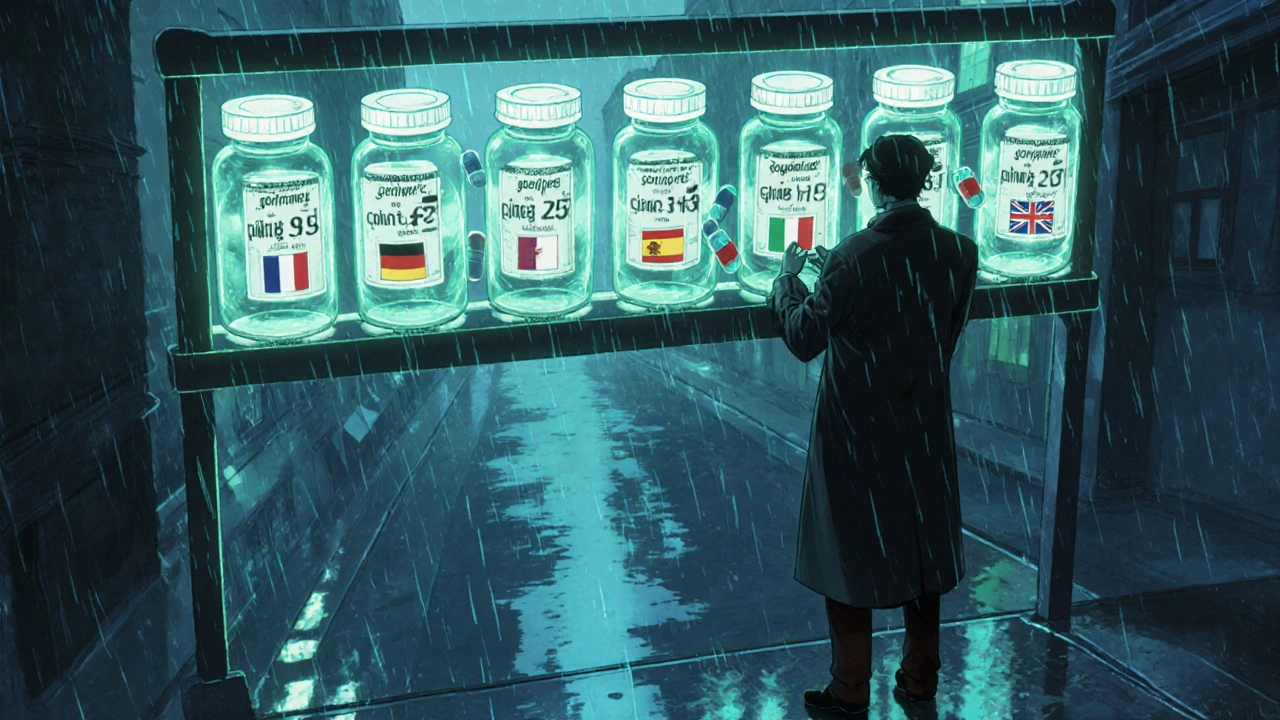
International Reference Pricing: How Countries Set Generic Drug Prices
International reference pricing helps countries control generic drug costs by comparing prices across nations. Learn how it works, which countries use it, and the real-world impact on availability, prices, and patient access.