Authorized Generics: What They Are and Why They Save You Money
When you hear authorized generics, brand-name drugs sold under a generic label by the same manufacturer, often at a lower price. Also known as brand generics, they’re not knockoffs—they’re the exact same pills, capsules, or injections you’d get from the original brand, just without the marketing and packaging costs. Unlike regular generics, which are made by different companies after the patent expires, authorized generics come straight from the original drug maker. That means the same factory, same formula, same quality control—just a cheaper price tag.
This matters because many people assume all generics are the same, but they’re not. A regular generic might be made by a different company using slightly different fillers or coatings, even if the active ingredient is identical. Authorized generics remove that uncertainty. If your doctor prescribed Lipitor, and you’re now taking an authorized generic version, you’re getting the exact same medicine the manufacturer originally made. No guesswork. No risk of switching manufacturers mid-treatment. And because the original company sells it themselves, they often price it lower to compete with other generics—sometimes even cheaper than the generic versions made by competitors.
Authorized generics aren’t always easy to spot. They might be labeled with the brand name plus the word "generic," or just the generic name with the brand’s logo. You won’t find them in every pharmacy, but they’re more common than you think. If you’re on a long-term medication like simvastatin, lisinopril, or sertraline, ask your pharmacist: "Is there an authorized generic available?" It could save you hundreds a year. And if your insurance won’t cover it, you can often buy it out-of-pocket at a price lower than the brand-name version.
Why don’t more people know about them? Because the pharmaceutical industry doesn’t advertise them. The brand-name company has little incentive to promote a cheaper version of their own drug. But that doesn’t mean they don’t exist. In fact, the FDA tracks them under the same approval process as regular generics, but with one key difference: the original manufacturer is the one producing it. That’s why authorized generics are often the closest thing to the brand-name drug you can get without paying brand-name prices.
What you’ll find below are real-world stories and guides from people who’ve switched to authorized generics—and saved money without sacrificing results. You’ll learn how to identify them, when they’re the best choice, and how to talk to your pharmacist about getting them. Whether you’re managing high blood pressure, cholesterol, depression, or something else, knowing about authorized generics could be the simplest way to cut your drug costs without changing your treatment.
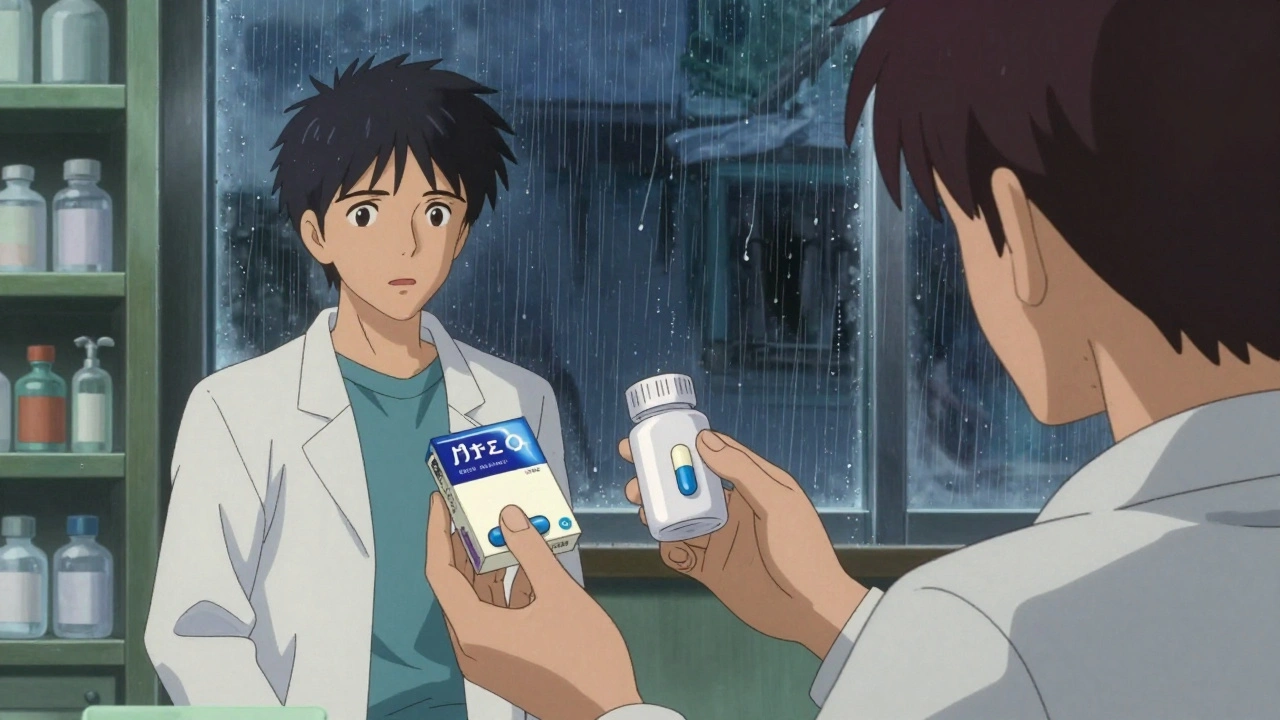
When Pharmacists Should Recommend Authorized Generics: A Practical Guide
Pharmacists should recommend authorized generics when patients have allergies to inactive ingredients, take narrow therapeutic index drugs, or experience side effects after switching to regular generics. These are identical to brand-name drugs but cost 20-80% less.
Authorized Generics List: Which Drugs Offer This Cost-Saving Option?
Authorized generics are identical to brand-name drugs but sold cheaper. Learn which medications offer this option, how they differ from regular generics, and how to get them without compromising safety or effectiveness.