
Imagine the panic of a simple afternoon in the garden turning into a medical emergency. For people with a severe stinging insect allergy is an immune overreaction to the venom of Hymenoptera insects, such as bees and wasps, which can lead to life-threatening anaphylaxis, the outdoors feels like a minefield. While most people just deal with a swollen finger, some experience a systemic collapse. Carrying an epinephrine auto-injector is a necessary safety net, but it only treats the reaction after the sting has already happened. What if you could actually change how your body responds to the venom?
That is where Venom Immunotherapy (VIT) comes in. Often called venom desensitization, this process isn't just about managing symptoms; it's about retraining your immune system. Instead of waiting for a crisis, VIT proactively builds a tolerance to insect toxins. For millions of people, this means the difference between living in constant fear and finally feeling safe in their own backyard.
Quick Summary: Key Takeaways
- Risk Reduction: VIT can lower the risk of systemic reactions from as high as 70% down to about 3-15%.
- Disease-Modifying: It is the only treatment that addresses the underlying immune cause rather than just treating the aftermath.
- High Efficacy: Protection rates are particularly strong for wasp (vespid) allergies, reaching up to 96%.
- Long-term Gain: Most patients maintain protection for 5-10 years even after the treatment ends.
- Commitment Required: The process involves a buildup phase and several years of maintenance injections.
How Venom Immunotherapy Actually Works
The core goal of VIT is to stop your immune system from overreacting. When someone with an allergy is stung, their body releases a flood of chemicals that cause blood pressure to drop and airways to close. VIT flips this script by introducing tiny, controlled amounts of purified venom into your system.
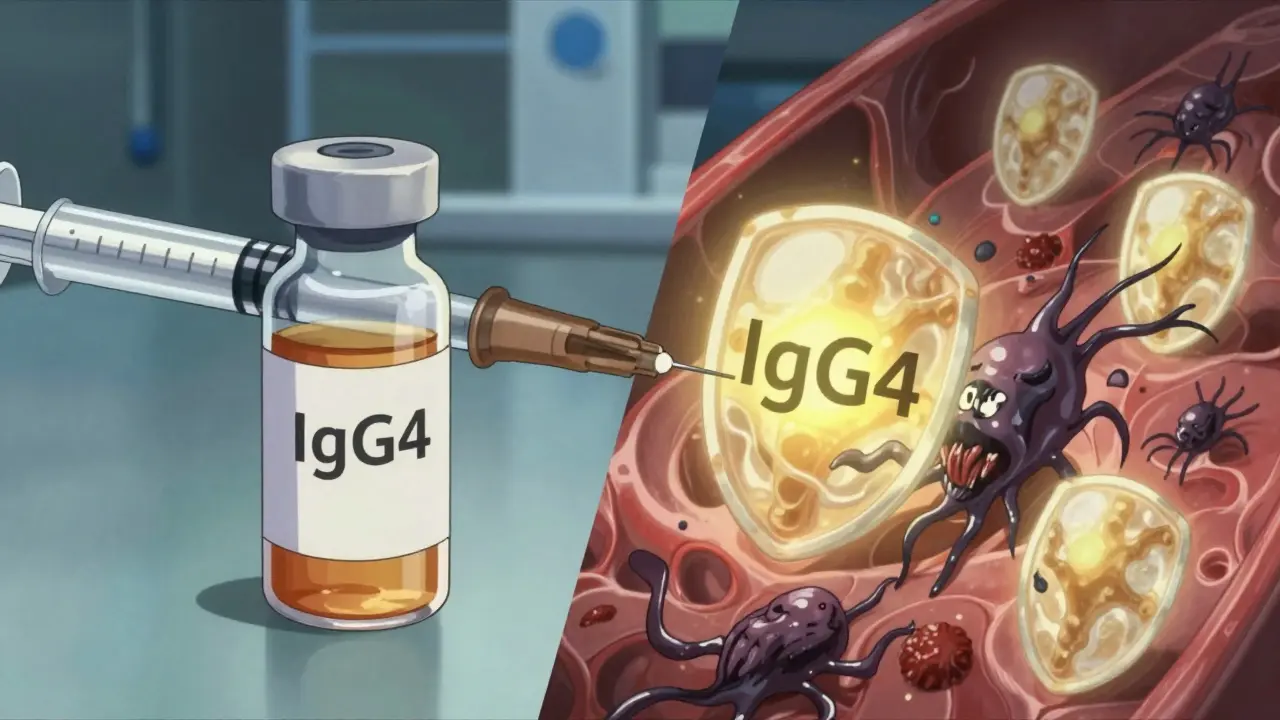
This gradual exposure encourages the body to produce IgG4 antibodies. Think of these as "blocker" antibodies. They intercept the venom before it can trigger the allergic response, effectively neutralizing the threat. Clinical data shows that when these protective titers exceed 10 mg/L, the patient is significantly more likely to withstand a sting without a systemic reaction.
The treatment focuses on specific species. For example, patients might receive Api m 1 for honeybee allergies or Ves v 5 for yellow jacket reactions. Because the venom is standardized for potency, doctors can precisely control the dose to ensure the patient is desensitized without triggering a full-scale reaction.
The Treatment Journey: From Buildup to Maintenance
You don't just get one shot and call it a day. VIT is a long-term commitment divided into two primary stages. The first is the buildup phase, which usually lasts between 8 and 20 weeks. During this time, you'll visit the clinic once to three times a week. Your doctor starts with a very low dose-sometimes as little as 0.05 mcg-and slowly cranks it up to a maintenance level of 100-200 mcg.
Once you hit that peak dose, you move into the maintenance phase. This is the "steady state" of the treatment. Injections typically happen every 4 to 8 weeks. While some people might need this indefinitely, the general guideline is to continue for 3 to 5 years. This duration is crucial because it cements the immune tolerance in your body.
One thing to keep in mind is the "waiting room" rule. Because there is a small risk (about 2-5%) of a reaction during the injection, you'll need to stay at the clinic for 45 to 60 minutes after every shot. It can be a bit of a time sink, but it's the only way to ensure you're safe if a systemic reaction occurs.
| Feature | Epinephrine Auto-Injectors | Venom Immunotherapy (VIT) |
|---|---|---|
| Primary Goal | Emergency rescue after a sting | Prevention of the allergic reaction |
| Effect on Immune System | Temporary symptom reversal | Long-term immune retraining |
| Risk Reduction | Low (treats symptoms, not risk) | High (up to 90% relative risk reduction) |
| Treatment Duration | As needed (lifetime) | 3-5 years of active injections |
| Lifestyle Impact | Constant vigilance and anxiety | Increased confidence in outdoors |
Who Should Consider This Therapy?
Not everyone who gets a red bump after a sting needs VIT. This therapy is specifically for those who have had a systemic reaction-meaning the reaction went beyond the site of the sting. If you've experienced hives all over your body, swelling in the throat, or a drop in blood pressure, you're likely a candidate.
Your lifestyle also plays a huge role in the decision. A professional landscaper, a beekeeper, or someone who spends every weekend hiking in the woods faces a much higher risk than someone who stays indoors. For these people, the risk-benefit ratio is incredibly compelling. According to the American College of Allergy, Asthma & Immunology, VIT is highly recommended for anyone with a history of systemic reactions who is at risk of future stings.
However, there are some red flags. People with certain mast cell disorders, like mastocytosis, may find that VIT is less effective. In these cases, failure rates can climb to 15-20%, so a thorough diagnostic phase involving venom-specific IgE testing is essential before starting.
Real-World Impact on Quality of Life
Beyond the clinical percentages, the biggest win with VIT is the mental relief. The anxiety of "what if" can be paralyzing. People often report a profound shift in their daily habits. Imagine being able to attend your child's outdoor soccer game or start a garden without a crushing sense of dread.
Surveys from patient communities show that nearly 90% of VIT users feel a significant drop in anxiety about being outdoors. Many even stop carrying multiple epinephrine pens because they feel more secure in their body's ability to handle a sting. While the cost-which can range from $2,800 to $4,500 per year depending on insurance-and the frequent clinic visits are drawbacks, the trade-off for mental freedom is usually worth it.

Modern Advancements and the Future of Treatment
The field isn't standing still. One of the most exciting developments is the "rush protocol." Instead of spending months in the buildup phase, some clinics can now move a patient to maintenance dosing in just 1 to 3 days. While this increases the risk of a mild systemic reaction during the process, it removes the massive time commitment of the initial months.
We're also seeing the introduction of new standardized extracts. For example, the FDA recently approved a specific extract for fire ant allergy (Sol i 3), providing a lifeline for the hundreds of thousands of people suffering from these aggressive pests. Looking forward, researchers are working on recombinant venom allergens. These are lab-made versions of the venom that could potentially be safer and more consistent than extracts derived from actual insects.
Is venom immunotherapy safe?
Yes, it is generally very safe, but it does carry a small risk. About 2-5% of patients may experience a systemic reaction during treatment. This is why doctors require a 45-60 minute observation period after every injection; if a reaction occurs, it can be treated immediately on-site with epinephrine.
How long does it take to see results?
You don't get full protection immediately. The buildup phase takes 8-20 weeks, and the most significant changes in your immune response happen as you move into the maintenance phase. Most patients see a 50-70% decrease in skin test reactivity within the first year of treatment.
Can I stop taking my EpiPen if I start VIT?
You should never stop carrying emergency medication without your doctor's explicit approval. While VIT is incredibly effective, it is not 100% guaranteed. Some patients still experience reactions, and having an auto-injector remains the gold standard for emergency rescue.
What is the success rate for wasps versus bees?
Interestingly, VIT tends to be slightly more effective for wasp (vespid) allergies, with protection rates between 91-96%. For honeybee allergies, the protection rate is slightly lower but still very high, typically between 77-84%.
Does insurance usually cover this treatment?
Coverage varies. Medicare typically covers about 80% of costs after the deductible. Private insurers often require a "prior authorization" to prove the medical necessity of the treatment. Approval rates for this authorization generally hover between 75-85%.
Next Steps for Potential Candidates
If you've had a systemic reaction to a sting, the first step is to find a board-certified allergist. Don't rely on a general practitioner for this; you need someone who can perform specific venom-IgE testing and manage the precise dosing of the buildup phase.
When you go to your first appointment, bring a detailed history of your reactions. Note exactly how long it took for symptoms to appear after the sting-typically, systemic reactions happen within 15 minutes. This information helps the doctor determine if you are a proper candidate for VIT or if you have a condition like mastocytosis that might change the treatment plan.
Once you start, keep a calendar of your appointments and be honest with your doctor about any mild reactions at the injection site. These small details allow them to adjust your dose for maximum safety and efficacy.
