
For decades, doctors told parents a scary story about their baby’s itchy rash. The script was simple: if your child has eczema, which is a common inflammatory skin condition characterized by dry, itchy, and red patches, they will almost certainly develop food allergies next, followed by hay fever, and finally asthma. This predictable sequence was called the "atopic march." It sounded like a diagnosis of doom. But recent science suggests that narrative is outdated-and potentially harmful.
The reality is much more nuanced. While eczema is indeed a major risk factor for other allergic conditions, the progression isn’t inevitable. In fact, only a small fraction of children follow the classic linear path. Understanding why some kids march forward while others stay healthy comes down to one critical factor: the integrity of the skin barrier. By focusing on repairing this barrier early, we can disrupt the cycle before it starts.
Rethinking the Atopic March
To understand how to stop the march, we first need to look at what the march actually is. The term refers to the sequential development of atopic diseases, which are a group of immune-mediated conditions including eczema, asthma, allergic rhinitis, and food allergies. Historically, researchers viewed this as a straight line: eczema in infancy leads to sensitization to foods, which then triggers airborne allergens, culminating in asthma by school age.
However, modern cohort studies have shattered this linear model. Data from large-scale research indicates that the classic atopic march pattern occurs in only about 3.1% of children with atopic disease. Instead of a single-file line, think of it as a cluster. Many children experience "atopic multimorbidity," where these conditions coexist or appear in different orders. For instance, a child might have asthma without ever having had severe eczema, or they might have eczema and food allergies but never develop respiratory issues.
This shift in understanding is crucial for parents. It means you shouldn’t panic when your baby gets eczema. It doesn’t mean asthma is guaranteed. However, it does mean that eczema is a warning sign. It signals that the child’s immune system and skin barrier are vulnerable. The goal isn’t to predict the future; it’s to intervene in the present to protect that vulnerability.
The Broken Door: Skin Barrier Dysfunction
If the atopic march is the journey, the skin barrier is the gatekeeper. When this barrier is intact, it keeps allergens out and moisture in. When it’s broken, it invites trouble. The primary culprit behind this breakdown is often genetic. Specifically, mutations in the filaggrin gene, which encodes a protein essential for maintaining the structural integrity and hydration of the outermost layer of the skin.
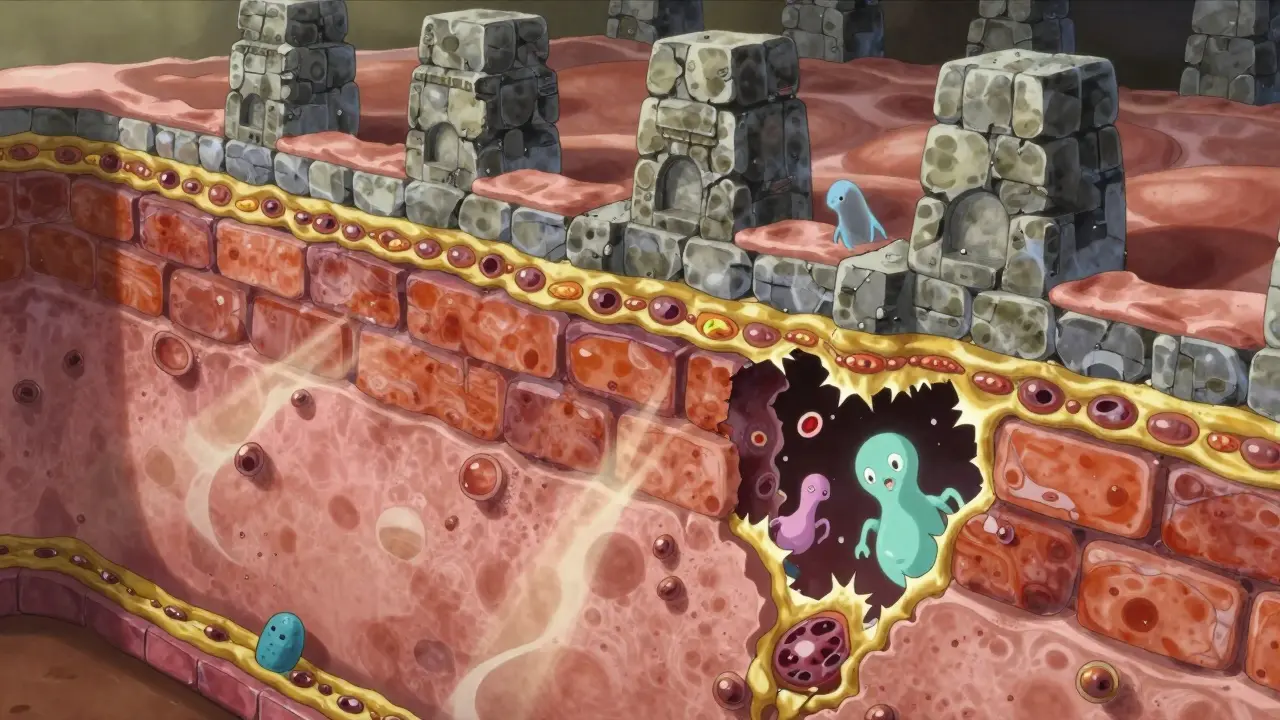
Filaggrin acts like mortar between the bricks of your skin cells. Without enough functional filaggrin, the skin becomes porous. Imagine a wall with cracks instead of solid plaster. Environmental allergens-like dust mites, pollen, and pet dander-can slip through these cracks. More importantly, food proteins can enter through the skin. This is where things get tricky. Your body isn’t designed to process food proteins through your skin; it’s designed to process them through your gut.
When allergens penetrate the skin, they trigger an immune response. The body sees these foreign proteins as threats and creates IgE antibodies to fight them. This process is called sensitization. Once sensitized via the skin, the immune system is primed to overreact. If that same protein later enters the body through the mouth, the reaction can be severe. This concept is known as the dual-allergen exposure hypothesis. It explains why early oral introduction of peanuts (as shown in the LEAP study) reduces allergy risk, while exposure through cracked skin increases it.
Beyond Filaggrin: Genetic and Microbial Factors
While filaggrin gets most of the attention, it’s not working alone. Other genes play significant roles in skin barrier health and immune regulation. Mutations in SPINK5, a gene associated with Netherton syndrome, a rare disorder affecting skin barrier function and immunity, and corneodesmosin also contribute to barrier defects. Additionally, polymorphisms in genes regulating inflammation, such as TSLP (thymic stromal lymphopoietin) and IL-33, increase the risk of both eczema and asthma. These genetic factors create a shared susceptibility, explaining why atopic conditions often cluster together.
But genetics aren’t destiny. The environment, particularly the microbiome, plays a massive role. Recent research highlights the importance of the gut and skin microbiomes in shaping the immune system. Studies show that infants who develop allergic sensitization often have reduced genetic potential for butyrate fermentation in their gut bacteria. Butyrate is a short-chain fatty acid that helps regulate immune responses and maintain gut health. A lack of beneficial bacteria can leave the immune system unbalanced and prone to overreaction.
This connection between the skin, gut, and immune system suggests that interventions need to be holistic. It’s not just about slapping cream on a rash. It’s about supporting the entire ecosystem that regulates inflammation and tolerance.
Skin Barrier Care as Prevention
If the problem is a leaky barrier, the solution is repair. Proactive skin care is no longer just about comfort; it’s a preventive medical strategy. The goal is to close those cracks before allergens can sneak in. This involves two main components: emollients and anti-inflammatory treatments.
Emollients: These are moisturizers that mimic the natural lipids of the skin. Look for products containing ceramides, cholesterol, and fatty acids. Apply them generously and frequently, especially after bathing. The PreventADALL trial investigated whether early emollient therapy could prevent eczema and subsequent allergies. Preliminary results showed a 20-30% reduction in eczema incidence among infants who received proactive moisturizing. While it didn’t completely eliminate allergies, it significantly reduced the entry point for sensitization.
Avoiding Irritants: Harsh soaps, hot water, and rough fabrics can strip the skin of its natural oils, worsening barrier dysfunction. Use gentle, fragrance-free cleansers and lukewarm water. Dress babies in soft, breathable cotton rather than wool or synthetic fibers that can cause friction and heat buildup.
Early Treatment: Don’t wait for eczema to flare up severely. Mild inflammation damages the barrier further. Using topical corticosteroids or calcineurin inhibitors under a doctor’s guidance during mild flares can keep the skin calm and intact. Aggressive early treatment of severe eczema is linked to better long-term outcomes, reducing the risk of progressing to asthma.
Practical Steps for Parents
Navigating the atopic march can feel overwhelming, but you don’t need to be a scientist to help your child. Here are actionable steps based on current evidence:
- Moisturize Daily: Make applying emollient part of your daily routine, even when the skin looks clear. Think of it as brushing teeth-preventive maintenance.
- Introduce Allergens Early: Follow pediatric guidelines for introducing common allergens like peanuts, eggs, and dairy. Early oral exposure promotes tolerance. Do not rely on skin contact for introduction.
- Monitor Severity: Keep track of your child’s eczema. Severe, widespread eczema is a stronger predictor of future allergies than mild, localized cases. Work closely with a dermatologist or allergist to manage severity.
- Focus on Gut Health: While research is still evolving, supporting a healthy microbiome through a diverse diet (for older children) and avoiding unnecessary antibiotics may help balance the immune system.
- Manage Expectations: Understand that not all eczema leads to asthma. Focus on what you can control: skin care, early intervention, and environmental triggers.

Comparison of Risk Factors and Interventions
| Factor | Impact on Atopic March | Recommended Action |
|---|---|---|
| Filaggrin Mutation | High risk of barrier defect and sensitization | Proactive emollient use; avoid irritants |
| Severe Eczema | Strongest clinical predictor of asthma/allergies | Aggressive medical management; early specialist referral |
| Oral Allergen Exposure | Promotes immune tolerance | Introduce common allergens early (per pediatrician advice) |
| Skin Allergen Exposure | Promotes sensitization and allergy risk | Repair skin barrier to block penetration |
| Gut Microbiome Diversity | Regulates immune response | Diverse diet; limit unnecessary antibiotics |
Conclusion: Empowerment Over Fear
The old narrative of the atopic march fueled anxiety. The new science offers agency. You cannot change your child’s genes, but you can influence their environment and their skin’s health. By treating the skin barrier as the front line of defense, you can disrupt the pathway from eczema to systemic allergies. It’s not about preventing every itch; it’s about keeping the door closed to allergens. With consistent care and informed decisions, many children break the chain entirely.
Does eczema always lead to asthma?
No. Only about 25% of children with eczema go on to develop asthma. The progression is not inevitable. Severity of eczema, genetic factors, and environmental exposures all play a role in determining risk.
What is the dual-allergen exposure hypothesis?
This hypothesis suggests that exposure to allergens through the skin (via a damaged barrier) causes sensitization and allergy, while exposure through the gut (eating the food) promotes tolerance. This is why early oral introduction of peanuts is recommended for high-risk infants.
How important is filaggrin in the atopic march?
Filaggrin is a key protein for skin barrier integrity. Mutations in the filaggrin gene are strongly associated with eczema and increased risk of allergic sensitization. However, filaggrin status alone doesn't determine outcome; skin care and environmental factors are equally important.
Can moisturizers prevent allergies?
Regular use of emollients can reduce the incidence of eczema by 20-30%, which indirectly lowers the risk of sensitization. While they may not prevent all allergies, they strengthen the skin barrier, reducing the entry points for allergens.
What is atopic multimorbidity?
Atopic multimorbidity refers to the coexistence of multiple atopic conditions (like eczema, asthma, and rhinitis) in a single individual. It challenges the old linear "march" model, showing that these conditions often overlap and influence each other bidirectionally rather than following a strict sequence.
