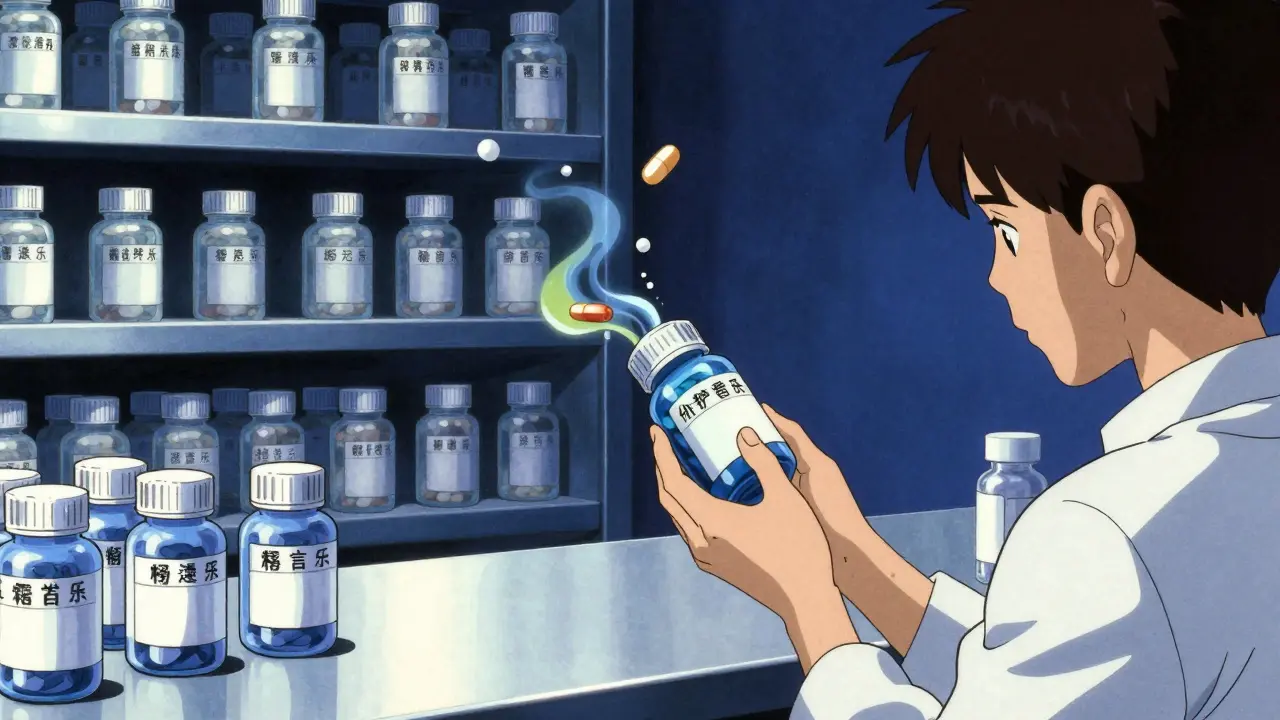
Imagine picking up your prescription for blood pressure medication. The bottle looks different than the one you got last month. It’s a slightly different shade of blue, maybe a bit smaller. You take it home, pop a pill, and feel uneasy. Was this supposed to happen? Did the pharmacy make a mistake?
This scenario plays out in pharmacies across the United States every single day. Generic medications make up roughly 90% of all prescriptions dispensed in the U.S., according to FDA data. They are cheaper, effective, and essential for keeping healthcare affordable. But that volume comes with a hidden cost: complexity. When multiple manufacturers produce the same drug with different colors, shapes, and inactive ingredients, the risk of error spikes. We aren't just talking about rare mix-ups. We are looking at a system where 1.5 million preventable adverse drug events occur annually, costing the economy an estimated $77 billion.
The Hidden Risks of Generic Substitution
To understand how to fix these errors, we first need to look at where they come from. A generic drug is not just a copy-paste of a brand-name drug. While the active ingredient must be bioequivalent-meaning it absorbs into the body within an 80-125% range compared to the brand-the rest of the pill can vary wildly. These variations include fillers, binders, dyes, and coatings.
These differences create three main traps for pharmacists and patients:
- Look-Alike/Sound-Alike Confusion: Many generics have chemical names that sound nearly identical but treat completely different conditions. For example, confusing *Celebrex* (for arthritis) with *Celexa* (for depression) has led to serious harm.
- Physical Appearance Changes: If a pharmacy switches suppliers for a specific generic because of supply chain issues, the patient gets a pill that looks different. Without proper counseling, the patient might think they received the wrong medication or duplicate their dose.
- Excipient Sensitivities: Some patients are allergic to specific inactive ingredients like lactose or certain dyes. A switch in manufacturer can inadvertently expose a patient to an allergen, even if the active drug is correct.
- Standardize High-Risk Drugs: Identify drugs with narrow therapeutic indices (e.g., phenytoin, carbamazepine). Create a policy to keep these on brand or with a single trusted generic manufacturer to avoid bioavailability fluctuations.
- Update Reference Materials: 42% of pharmacists report outdated formulation details in their reference systems. Invest in annual updates for resources like *Drug Facts and Comparisons* ($150-$300/year) or use real-time apps like Epocrates to check for recent manufacturer changes.
- Implement the '8 R's' Training: Train staff on the 8 Rights of Medication Safety: Right Patient, Drug, Dose, Route, Time, Documentation, Reason, and Response. Full implementation takes 8-12 hours of training but creates a cultural baseline for safety.
- Visual Verification Protocols: Before dispensing, compare the physical appearance of the generic against the digital image in your pharmacy management system. If the color or shape differs significantly, pause and verify the NDC (National Drug Code).
- Document Substitutions: Always document why a generic was substituted or changed. If a patient reports an issue with a specific generic, record the manufacturer name. This data helps you identify problematic batches or suppliers over time.
Data from community pharmacies shows that prescription correction rates hover around 23.1 per 10,000 prescriptions. Of these corrections, dosage errors account for 37.4%, while strength discrepancies and dispensing form issues make up another 33.6%. This isn't just about human error; it's about systemic friction caused by the sheer variety of generic formulations on the market.
Technology as the First Line of Defense
You cannot rely on memory alone when managing hundreds of generic variations. Technology is not optional; it is the backbone of modern pharmacy safety. However, not all technology works equally well.
The most effective tools are those integrated directly into the workflow. Computerized Physician Order Entry (CPOE) systems reduce medication errors by 55% in hospital settings by eliminating handwritten script ambiguities. Similarly, Bar Code Medication Administration (BCMA) systems cut potential adverse drug events by 50% by ensuring the right patient gets the right drug at the right time.
| Technology | Primary Function | Error Reduction Impact | Limitation with Generics |
|---|---|---|---|
| CPOE | Digital prescribing | 55% reduction in hospitals | Does not track manufacturer changes post-dispensing |
| BCMA | Scanning verification | 50% reduction in adverse events | Relies on accurate barcode labeling by manufacturers |
| CDSS | Clinical decision support | Significant interaction flagging | Alert fatigue; may not flag excipient allergies |
| EHR Integration | Patient history tracking | Improves reconciliation accuracy | Inconsistent generic naming conventions across systems |
But here is the catch: technology can also create noise. Clinical Decision Support Systems (CDSS) often trigger "stop alerts" for every minor interaction or substitution. This leads to alert fatigue, where pharmacists start ignoring warnings because so many are irrelevant. To prevent generic-specific errors, CDSS software must be tuned to flag high-risk substitutions, such as narrow therapeutic index drugs (like warfarin or levothyroxine), rather than alerting on every routine generic swap.
The Human Element: Counseling and Reconciliation
Even the best software fails if the human connection is broken. Pharmacists report that mandatory counseling for first-fill medications catches an estimated 12-15% of potential errors at the final stage. This is your last chance to stop a mistake before it leaves the counter.
Effective counseling isn't just reading the label. It involves proactive communication about changes. If a patient picks up a generic that looks different from their previous supply, the pharmacist should explicitly state: "This is the same medication, but we switched manufacturers. Here is what the new pill looks like."
Medication reconciliation is another critical process, especially during transitions of care like hospital discharge. Pharmacists spend 15-20 minutes reviewing a patient's full medication list, identifying an average of 2.3 discrepancies per patient. For generics, this means verifying that the patient understands which pills are interchangeable and which require strict brand adherence due to sensitivity issues.
Practical Steps for Prevention and Correction
If you are a pharmacist or pharmacy manager, you need actionable protocols, not just theory. Here is how to structure your practice to minimize generic-related errors:
Correcting Errors When They Happen
Mistakes will still happen. The goal is not perfection, but rapid correction and learning. When a generic error occurs-whether it's a wrong strength dispensed or a dangerous interaction missed-the response protocol matters more than the blame.
First, assess the patient's safety immediately. Contact them to determine if they took the medication. If harm is possible, coordinate with a physician for monitoring or antidote administration. Second, conduct a root cause analysis. Was it a barcode scanning failure? A distracted technician? An unclear label? Third, report the error internally. Only 28% of community pharmacies maintain formal error tracking, which means most learn nothing from their mistakes. Implement a non-punitive reporting system where staff can log near-misses and errors without fear of retribution. This data allows you to spot trends, such as a specific generic supplier causing frequent confusion.
The Future of Generic Safety
The landscape is changing. The WHO’s 2023 guidelines emphasize standardized nomenclature to reduce look-alike/sound-alike errors. The FDA’s GDUFA III amendments aim to improve communication about manufacturer changes. And emerging AI-powered CDSS systems promise to predict patient-specific reactions based on pharmacogenomics, potentially reducing errors by an additional 22%.
However, the core responsibility remains with the pharmacy team. Technology supports you, but it doesn't replace judgment. By combining robust software, rigorous reconciliation processes, and empathetic patient counseling, you can turn the high volume of generic prescriptions from a liability into a safe, reliable service. The next time a patient asks why their pill looks different, you won't just hand them the bag. You'll explain the change, verify their understanding, and ensure their safety.
What is the most common type of error with generic medications?
The most common errors involve dosage discrepancies (37.4%) and strength mismatches (19.2%). These often occur when pharmacists confuse similar-looking generic bottles or when automated systems fail to flag a manufacturer's change in concentration packaging. Dispensing form issues, such as providing a tablet instead of a capsule, account for another 14.4% of clinical errors.
How do I know if my generic medication is safe?
Generic medications are required by the FDA to be bioequivalent to their brand-name counterparts, meaning they must deliver the same amount of active ingredient into your bloodstream within an 80-125% range. However, safety also depends on inactive ingredients. If you have known allergies to dyes, lactose, or gluten, ask your pharmacist to check the specific manufacturer's excipient list before dispensing.
Why does my generic pill look different every time I refill it?
Multiple companies manufacture generic drugs. Pharmacies often switch suppliers based on price, availability, or contract agreements. Each manufacturer uses different molds, dyes, and fillers, resulting in variations in size, shape, and color. As long as the National Drug Code (NDC) matches the prescription, the medication is legally equivalent, but you should always inform your pharmacist if the change causes concern.
Can technology prevent all generic medication errors?
No. While technologies like CPOE and BCMA reduce errors by 50-55%, they cannot catch every issue. Alert fatigue from excessive warnings can lead pharmacists to ignore critical flags. Additionally, technology may not account for patient-specific factors like new allergies or unique sensitivities to inactive ingredients. Human verification and counseling remain essential safeguards.
What should I do if I suspect I received the wrong generic drug?
Stop taking the medication immediately and contact your pharmacy. Describe the pill's appearance, color, and any markings. Do not throw the bottle away; bring it with you. The pharmacist will verify the NDC and cross-reference it with your prescription. If an error occurred, they will guide you on next steps, which may include contacting your doctor for medical advice if you have already taken the medication.
Are there specific drugs that should never be switched to generics?
While most drugs can be safely switched, some have a 'narrow therapeutic index,' meaning small changes in dosage can cause toxicity or treatment failure. Examples include warfarin (blood thinner), levothyroxine (thyroid hormone), and phenytoin (seizure medication). For these drugs, many doctors prefer patients stay on the same brand or consistent generic manufacturer to ensure stable blood levels.
