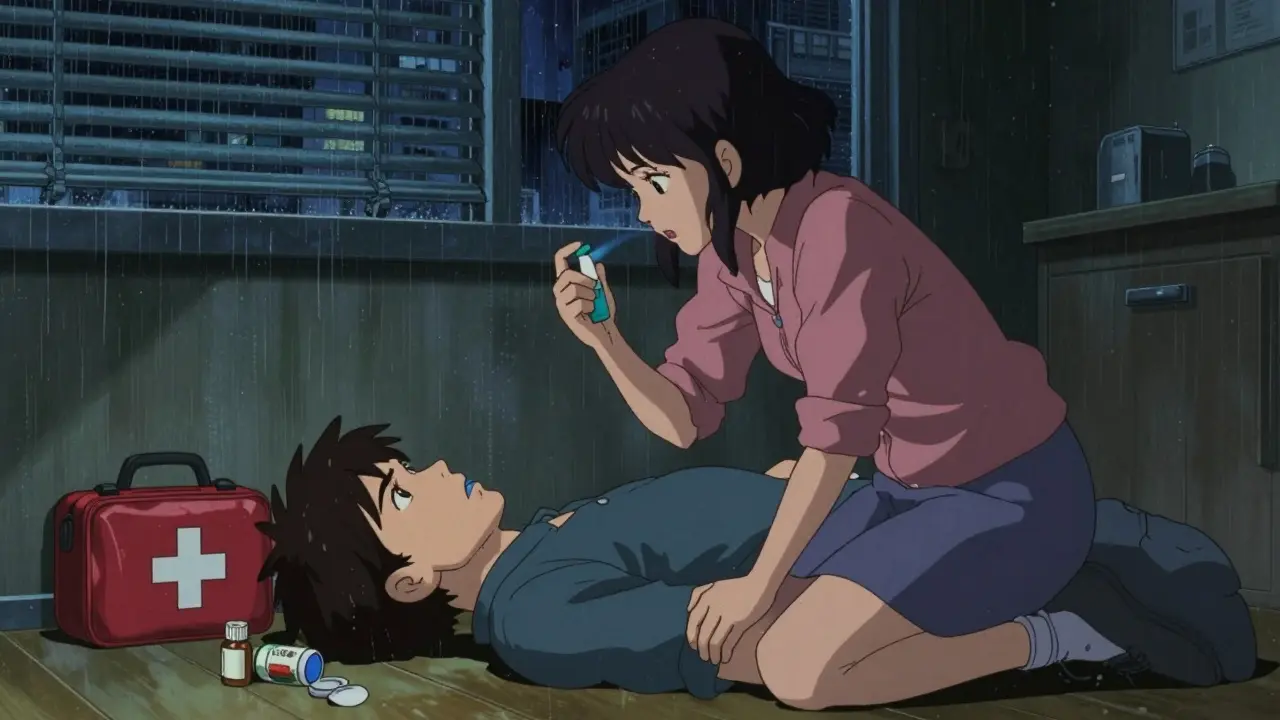
Every year, more than 100,000 people in the U.S. die from drug overdoses - and nearly 8 out of 10 of those deaths involve opioids like fentanyl, heroin, or prescription painkillers. The good news? Most of these deaths are preventable. The key lies in three simple but life-saving actions: knowing how to recognize an overdose, having naloxone on hand, and storing it safely so it’s ready when you need it.
What Naloxone Does - And What It Doesn’t
Naloxone is not a cure. It doesn’t treat addiction. It doesn’t relieve pain. But when someone stops breathing because of an opioid overdose, naloxone can bring them back - fast. It works by kicking opioids off the brain’s receptors, forcing them to let go. That’s it. Within 3 to 5 minutes, breathing often returns to normal. Studies show it works in about 95% of cases when given quickly.
It’s not magic. Naloxone only works on opioids. If someone overdosed on alcohol, cocaine, or Xanax, naloxone won’t help. That’s why it’s crucial to know what substance was taken. But if opioids are involved - even fentanyl, which is 50 to 100 times stronger than morphine - naloxone can still reverse the effects.
The FDA approved the first nasal spray version of naloxone (Narcan) in 2015. Since then, it’s become the go-to tool for families, friends, and first responders. In 2023, the FDA cleared the first over-the-counter version, meaning you can now buy it at your local pharmacy without a prescription. That’s a big deal. Before, you needed a doctor’s note or had to go through a community program. Now, it’s as easy as buying pain relievers.
How to Spot an Overdose - Before It’s Too Late
Time matters. The longer someone goes without oxygen, the higher the chance of brain damage or death. You don’t need to be a medic to recognize an overdose. Look for these signs:
- Unresponsive to loud noises or shaking
- Slow, shallow, or stopped breathing
- Lips or fingernails turning blue or gray
- Pinpoint pupils (tiny dots in the center of the eyes)
- Gurgling or snoring sounds - like they’re choking
These aren’t subtle. If someone is slumped over, won’t wake up, and isn’t breathing normally, assume it’s an opioid overdose. Don’t wait for confirmation. Don’t fear getting it wrong. Naloxone is safe. If there are no opioids in their system, it does nothing. No harm. No side effects.
How to Use Naloxone - Step by Step
Using the nasal spray is simple. No needles. No training required. But practice helps.
- Call 911 first - yes, even before giving naloxone. Medical help is still needed.
- Remove the device from its package. Peel back the plastic cover.
- Place the tip into one nostril. Keep your thumb on the plunger.
- Press the plunger firmly to spray half the dose into the nose.
- Wait 2 to 3 minutes. If no response, give another dose in the other nostril.
- Turn the person on their side (recovery position) to keep airways clear.
- Stay with them until emergency help arrives.
Some people panic and spray it into the air. Others try to use it on someone who’s breathing normally. That’s why the CDC recommends keeping a quick-reference card with your naloxone kit. Many pharmacies now include one. If you don’t have one, download the free video guide from the NIDA website. Watch it once. You’ll remember it.
Why One Dose Isn’t Always Enough
Fentanyl and other synthetic opioids last longer than naloxone. That’s the problem. Naloxone wears off in about 30 to 90 minutes. Fentanyl can stay in the body for hours. So even if someone wakes up after the first spray, they can slip back into overdose as the naloxone fades.
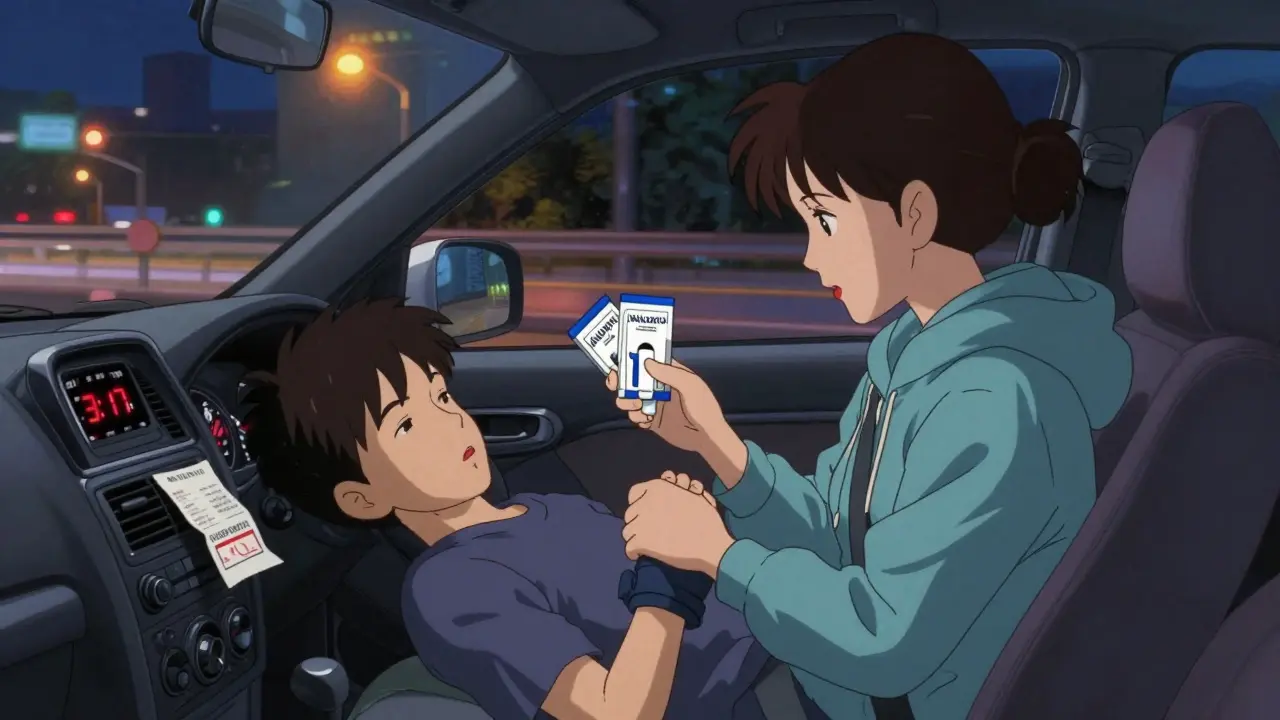
That’s why the CDC says: Always be ready to give a second dose. In 2022, 40% of fentanyl overdose reversals required more than one dose. Some cases needed three or four. That’s why many people keep two or three kits on hand - at home, in the car, in a backpack.
There’s a new version out too. In April 2024, the FDA approved an 8-mg nasal spray - double the strength of the standard 4-mg version. It’s designed specifically for potent synthetic opioids. If you live in an area where fentanyl is common, this higher-dose option might be worth asking your pharmacist about.
Safe Storage: Keep It Accessible, Not Hidden
Storing naloxone in a locked cabinet or buried in a drawer defeats the whole purpose. It needs to be easy to find - fast. Here’s what works:
- Keep it at room temperature. No need to refrigerate.
- Avoid direct sunlight or extreme heat. Don’t leave it in a hot car.
- Store it with your first aid kit, near your keys, or in your wallet.
- Check the expiration date. Most kits last 2 to 3 years.
- Replace it before it expires. Naloxone doesn’t suddenly stop working - it just gets weaker.
One study found that people who stored naloxone in a visible, easy-to-reach spot were 3 times more likely to use it in an emergency. If you’re worried about kids or pets, keep it in a small locked box - but make sure everyone who might need it knows where it is. A child can’t open it, but a panicked adult can.
What Happens After Naloxone?
It’s not a gentle wake-up. Naloxone can cause sudden, intense withdrawal. Someone might scream, vomit, shake, or try to run away. That’s normal. It’s not the drug failing - it’s the body reacting to being pulled out of opioid dependence.
Here’s what to do:
- Don’t restrain them. Keep them calm and safe.
- Wipe vomit away. Turn them on their side.
- Reassure them: “You’re safe. Help is coming.”
- Even if they insist they’re fine, don’t let them leave. They need medical evaluation.
Some people refuse to go to the hospital after being revived. They fear arrest. They fear judgment. But naloxone doesn’t cause legal trouble. Emergency responders are trained to help, not punish. And if they’re worried about stigma, remind them: They’re alive because someone cared enough to act.
Who Should Have Naloxone?
You don’t have to be a drug user to need it. Anyone who takes opioids - even for pain - is at risk. So are their family members, friends, or coworkers. Here’s who should keep naloxone nearby:
- People using prescription opioids (oxycodone, hydrocodone, morphine)
- People in recovery from opioid use disorder
- People living with someone who uses opioids
- People who work in shelters, clinics, or community centers
- Parents of teens or young adults
- Anyone who lives in an area with high fentanyl use
And here’s the truth: You don’t need to be an expert to save a life. A 2023 Johns Hopkins study found that 85% of people could correctly use the nasal spray after just 15 minutes of training. That’s less time than it takes to watch a YouTube video.
Where to Get It - And How Much It Costs
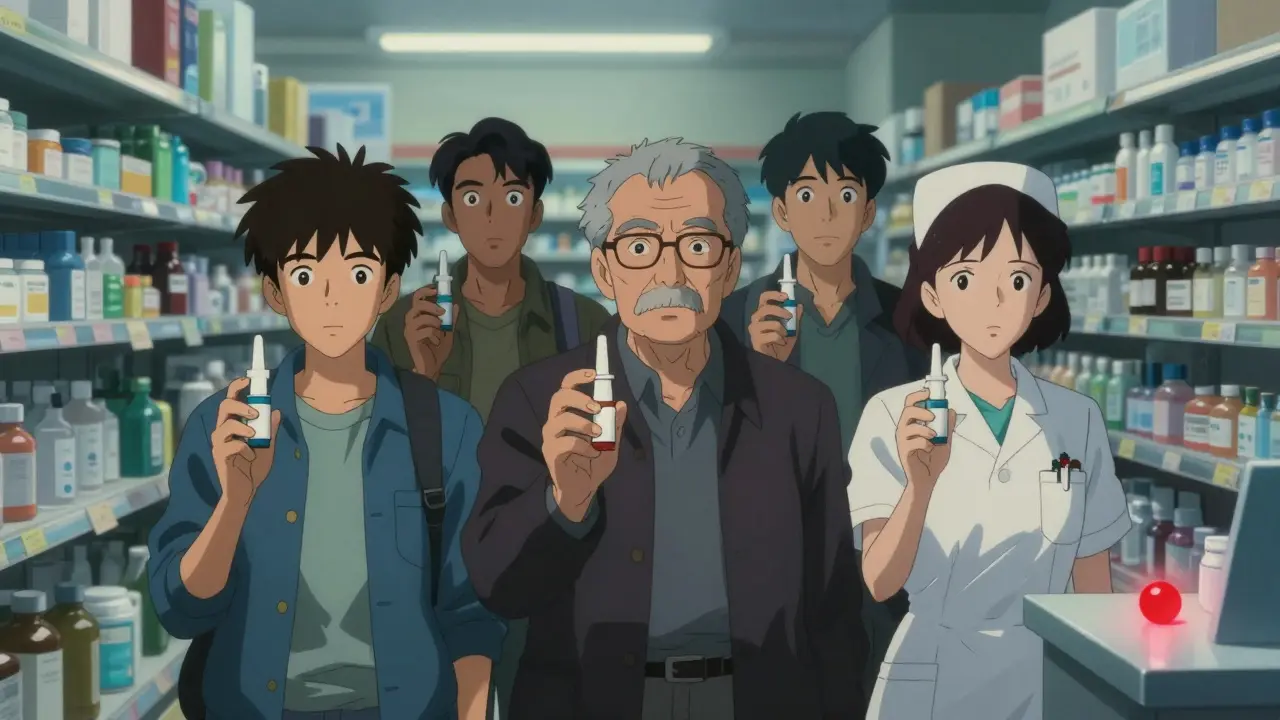
Naloxone is available at most pharmacies - CVS, Walgreens, Rite Aid, and many independent ones. Many states offer free kits through public health programs. Check your local health department website. Some community centers, libraries, and even vending machines in high-risk areas now give them out for free.
Price-wise, the nasal spray costs $130 to $150 without insurance. But with Medicaid or most private plans, it’s often $0. And if you can’t afford it, ask for a free kit. Many programs have no income requirements. You don’t need to prove anything. Just ask.
Reddit users on r/OpiatesRecovery shared stories of people who reversed overdoses - 87 times in one thread alone. But many also said they almost didn’t buy the kit because of the cost. That’s why free access matters. Saving a life shouldn’t depend on your bank account.
What’s Next? The Future of Overdose Reversal
Scientists are already working on better versions. One drug, nalmefene, lasts longer than naloxone - up to 11 hours. That could mean fewer repeat doses. But it’s not yet approved for overdose use in the U.S.
Right now, the focus is on access. The Biden administration is spending $200 million to distribute 2 million naloxone kits per year. That’s a huge step. But it’s not enough. In 2022, over 107,000 people died. We need millions more kits. And we need them in every home, every workplace, every car.
Naloxone isn’t a fix for the opioid crisis. But it’s the best tool we have right now to keep people alive long enough to get help. And sometimes, that’s all it takes - one moment, one spray, one second of courage - to change everything.
Can naloxone be used on children?
Yes. Naloxone is safe for children and infants. The dose is the same as for adults - one spray in each nostril. If the child doesn’t respond, give a second dose. Always call 911. Pediatric overdoses are rare but deadly, and naloxone is the only reliable way to reverse them.
Does naloxone expire? What if I use an expired kit?
Yes, naloxone expires - usually after 2 to 3 years. But if it’s expired, use it anyway. Studies show it retains most of its potency for years beyond the printed date. A 2021 FDA study found that even 5-year-old naloxone still reversed overdoses in 80% of cases. Better to use an old kit than do nothing.
Can I carry naloxone on a plane?
Yes. The TSA allows naloxone in carry-on and checked bags. You don’t need a prescription. Keep it in its original packaging with the label visible. If asked, say it’s a life-saving medication. No one will stop you.
Will naloxone work on fentanyl?
Yes - but you may need more than one dose. Fentanyl is extremely potent, and it binds tightly to opioid receptors. One spray might not be enough. Always be prepared to give a second (or third) dose. The newer 8-mg nasal spray was designed specifically for this.
Is naloxone addictive?
No. Naloxone has no effect on people without opioids in their system. It doesn’t produce euphoria, doesn’t cause dependence, and can’t be abused. It’s purely a blocker - not a drug.

Jonathan Noe
Naloxone is the closest thing we have to a magic bullet in this crisis, but let’s be real - most people still don’t know how to use it. I’ve seen friends panic and spray it into the air because they were too scared to look at the instructions. That’s why I always keep the CDC card taped to the inside of my wallet. Simple. No excuses. If you’re not carrying it, you’re gambling with someone’s life - and that’s not bravery, that’s negligence.
Rachidi Toupé GAGNON
Life-saving spray in your pocket? 💪 Yes please. I keep two in my glovebox, one in my backpack, and one with my dog’s leash (yes, really). You never know when a friend’s high is about to turn tragic. And hey - if you’re worried about cost? Free kits exist. Just ask. No shame. No paperwork. Just humanity. 🙌
Jim Johnson
Just got my first kit last week - didn’t even know I could walk into CVS and grab it like Advil. The pharmacist gave me a 2-minute demo and said, "If you’re reading this, you’re already doing better than 90% of people." That stuck with me. I’ve got my mom’s name on the card inside so if I ever OD, someone knows who to call. Small thing, but it feels like a lifeline now. Seriously, do it. Even if you think you’re not at risk - you never know who’s gonna need it next.
andres az
They’re pushing this like it’s a panacea, but let’s not pretend naloxone isn’t just a Band-Aid on a gunshot wound. The real issue is supply chains, fentanyl contamination, and the fact that Big Pharma still gets away with pushing opioids like candy. They’re giving out nasal sprays like candy while the root cause gets zero funding. This is performative harm reduction. Wake up.
Stephon Devereux
Here’s the truth nobody talks about: naloxone doesn’t fix addiction. But it buys time. Time for someone to realize they’re still alive. Time for a loved one to say, "I’m here." Time for a stranger to call 911 instead of walking away. That’s not magic - that’s mercy. And mercy? It’s not optional. It’s the bare minimum we owe each other. If you’ve ever doubted whether this matters - go watch someone breathe again because you acted. Then come back and tell me it’s not worth it.
Neha Motiwala
I heard from a cousin in Ohio who said the government is using naloxone to track people who OD... they put microchips in the spray... and then they use it to flag you for surveillance... I don't trust this... I don't trust ANYTHING... they want to control us... they're using this to make us dependent on their system... and then they'll take away our rights... I'm not using it... I'm not touching it...
athmaja biju
In India, we have no access to such tools. Why should Americans get free naloxone while our people die from overdoses without even knowing what it is? This is global inequality. You have resources, yet you still need to be told to carry it. We need global distribution. Not just American privilege.
Robert Petersen
My sister used to use. I didn’t know how to help until I got her a kit. We kept it in the kitchen, next to the coffee maker. One night, she passed out after a relapse. I didn’t hesitate. One spray. She woke up coughing, yelling, crying - but alive. She’s been clean for 11 months now. I don’t know if it was the naloxone or the fact that I didn’t give up on her. Maybe both. Point is - you don’t need to be a hero. Just be there. Be ready. It changes everything.
Craig Staszak
I carry two. One in my jacket, one in my bike bag. People think I’m weird. I don’t care. Last month I saved a guy in the park. He didn’t even thank me. Just sat there shaking. But I saw his mom’s face on his phone wallpaper. That’s why I do it. Not for thanks. For the people who never get to say goodbye.
Alyssa Williams
I’m a nurse. I’ve seen overdoses. I’ve held people while they died. Naloxone is the only thing that gives us a fighting chance. And yes, it’s that simple - spray, wait, call 911. No training needed. No permission required. If you’re not carrying it, you’re part of the problem. Get one. Today. Seriously.
alex clo
I appreciate the thorough breakdown. One thing I’d add: many pharmacies now offer free training sessions on naloxone use. It’s not just about having the kit - it’s about building community preparedness. Local health departments often host monthly workshops. Check your city’s public health portal. It’s a small step that multiplies impact.