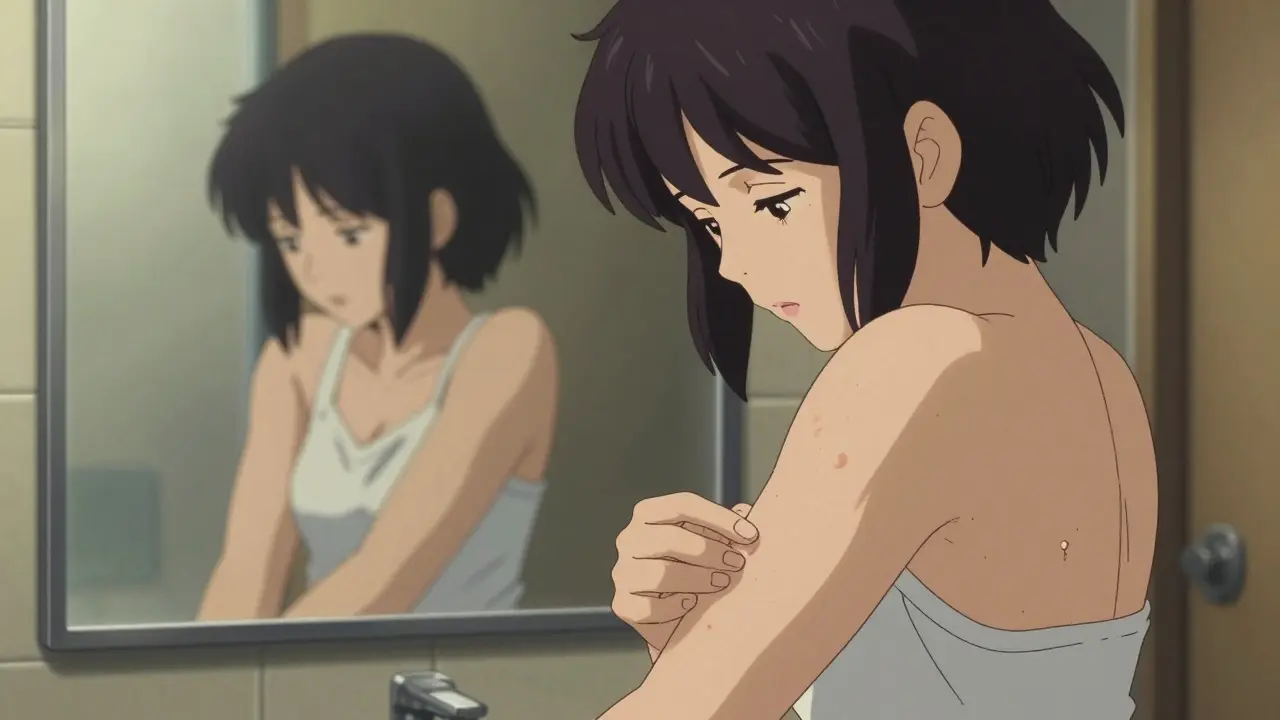
Ever run your hand down your upper arm and feel like you’re touching sandpaper? You aren’t alone. That rough, bumpy texture isn’t dirt, it isn’t acne, and it definitely isn’t something you can scrub away with a harsh loofah. It’s Keratosis Pilaris, commonly known as chicken skin. This harmless but frustrating condition affects up to 70% of teenagers and 40% of adults worldwide. While it looks unsightly, it poses no health risk. The real challenge? Managing the texture and redness without making things worse.
If you’ve been searching for a cure, here is the hard truth: there isn’t one. Keratosis pilaris (KP) is a genetic trait linked to how your skin produces keratin. However, that doesn’t mean you have to live with rough skin forever. With the right combination of gentle exfoliation and intense hydration, you can smooth out those bumps significantly. Let’s break down exactly what causes this condition and how to build a routine that actually works.
What Is Keratosis Pilaris?
To treat KP, you first need to understand what is happening under the surface. Your skin naturally sheds dead cells every day. In most people, these cells flake off unnoticed. In people with KP, however, the body produces too much keratin, a hard protein that protects skin from germs and harmful substances. Instead of shedding, this excess keratin forms a plug that blocks the hair follicle opening.
This blockage creates small, raised bumps that can be skin-colored, red, or brown. They often appear on the extensor surfaces of your body-specifically the outer upper arms, thighs, buttocks, and sometimes the cheeks. According to clinical data from DermNet NZ, about 92% of cases affect the upper arms, while 70% involve the thighs. These bumps are painless, but they can itch, especially when your skin is dry.
Why does this happen? Genetics play a huge role. Studies suggest that 50-70% of cases follow an autosomal dominant inheritance pattern, often linked to mutations in the filaggrin gene, which is crucial for maintaining the skin barrier. If your parents had KP, you likely will too. The condition usually starts in childhood, peaks during adolescence due to hormonal changes, and often improves by age 30. However, for many adults, it persists, requiring ongoing management rather than a one-time fix.
The Difference Between KP and Acne
It is easy to mistake KP for acne because both involve bumps on the skin. But treating KP like acne is one of the biggest mistakes people make. Acne is caused by oil and bacteria clogging pores, leading to inflammation. KP is purely a mechanical issue involving keratin plugs.
- Acne: Often painful, involves whiteheads or blackheads, responds to benzoyl peroxide or salicylic acid aimed at bacteria.
- KP: Painless, feels rough like sandpaper, requires physical or chemical exfoliation to remove the keratin plug.
Dr. Adam Friedman, Chair of Dermatology at George Washington University, notes that KP is a "follicular hyperkeratosis disorder distinct from inflammatory conditions." This means anti-inflammatory treatments used for eczema or acne won’t solve the root cause. You need to focus on removing the dead skin cells gently. Aggressive scrubbing, on the other hand, can damage the skin barrier, leading to more redness and even post-inflammatory hyperpigmentation.
Effective Ingredients for Smoothing Skin
Since you cannot cure KP, the goal is cosmetic improvement through consistent skincare. The best products contain specific active ingredients that dissolve keratin or hydrate the skin deeply. Here are the top performers backed by dermatological research:
| Ingredient | Function | Typical Concentration | Expected Timeline |
|---|---|---|---|
| Lactic Acid | Gently dissolves dead skin cells and hydrates | 10-12% | 4-6 weeks for visible smoothing |
| Urea | Breaks down keratin and locks in moisture | 10-20% | 8 weeks for reduced scaling |
| Glycolic Acid | Exfoliates surface layer to reveal smoother skin | 8-12% | 12 weeks for significant improvement |
| Salicylic Acid | Penetrates pores to loosen keratin plugs | 2% | 4-8 weeks |
| Tretinoin (Retinoid) | Accelerates cell turnover to prevent plugging | 0.025-0.1% | 3-6 months; high irritation risk |
Lactic acid is often the gold standard for beginners. Products like AmLactin lotion use lactic acid to soften the rough bumps while adding moisture. Clinical guidelines from the Mayo Clinic indicate that 10-12% lactic acid creams can improve skin texture by 40-60% after just a month of consistent use. Urea is another powerhouse, particularly for very dry skin. At concentrations of 10-20%, it not only exfoliates but also acts as a humectant, pulling water into the skin. Healthdirect Australia reports that urea-based creams reduce scaling in 65% of users within eight weeks.
If over-the-counter options don’t work, dermatologists may prescribe retinoids like tretinoin. These vitamin A derivatives speed up cell turnover, preventing keratin from building up in the first place. However, they come with a catch: they can be irritating. About 40% of users experience initial redness or peeling. Dr. Joshua Zeichner warns that many OTC products overpromise results, so managing expectations is key. Even with optimal treatment, complete clearance is rare; significant improvement is the realistic goal.
Building a Daily KP Routine
Knowing which ingredients work is only half the battle. How you apply them matters just as much. A common mistake is using too many actives at once, which strips the skin barrier and worsens the redness. Keep it simple.
- Shower Smart: Use lukewarm water, not hot. Hot water strips natural oils, drying out your skin and triggering more keratin production. Limit showers to 5-10 minutes.
- Apply to Damp Skin: Within three minutes of stepping out of the shower, pat your skin dry but leave it slightly damp. This is crucial. The stratum corneum (outer skin layer) is 50% more permeable when wet, allowing moisturizers to absorb better.
- Use an Exfoliating Moisturizer: Apply a lotion containing lactic acid, urea, or salicylic acid. Don’t rinse it off. Let it soak in.
- Layer if Necessary: If the exfoliating lotion isn’t enough, follow up with a thick, ceramide-rich moisturizer. Ceramides help repair the skin barrier, reducing irritation. Dr. Hadley King notes that twice-daily moisturization with ceramides provides 30% greater improvement than exfoliants alone.
- Be Consistent: Do this every day. KP returns quickly if you stop. Most patients see results after 8-12 weeks, but maintenance is lifelong for many.
Avoid physical scrubs with walnut shells or harsh beads. The American Academy of Dermatology warns that 68% of patients who use aggressive physical exfoliation end up with worse inflammation. Chemical exfoliation is gentler and more effective for KP.
Managing Triggers and Lifestyle Factors
Your environment plays a surprising role in KP severity. Have you noticed your arms look worse in winter? You’re not imagining it. Low humidity dries out the skin, making keratin plugs more noticeable. Healthdirect Australia confirms that symptoms worsen when ambient humidity drops below 40%. Installing a humidifier in your bedroom to maintain 40-50% humidity can decrease winter flare-ups by 60%.
Clothing choices matter too. Tight synthetic fabrics trap heat and sweat, irritating the follicles. Opt for loose-fitting cotton clothing to reduce friction. Friction-related irritation was reported by 72% of patients who switched to breathable fabrics.
Stress and diet don’t directly cause KP, but poor nutrition can weaken your skin barrier. Ensuring you get enough vitamins A, C, and E supports overall skin health. Some anecdotal evidence suggests that omega-3 fatty acids may help reduce inflammation, though scientific studies are limited.
When to See a Dermatologist
For most people, a diligent home routine is enough. But if your KP is severe, widespread, or causing significant distress, professional treatments might help. Laser therapy, specifically pulsed-dye laser, targets the blood vessels causing the redness around the bumps. Heights Dermatology reports that this treatment reduces erythema (redness) by 50-75% in 80% of patients after 3-4 sessions. However, it doesn’t remove the bumps themselves, only the color. Plus, it’s expensive-often $300-$500 per session-and rarely covered by insurance since KP is considered cosmetic.
Another emerging option is LED light therapy, which has shown promise in reducing follicular plugging. Always consult a board-certified dermatologist before trying prescription-strength retinoids or laser treatments to ensure they are safe for your skin type.
Is Keratosis Pilaris contagious?
No, KP is not contagious. It is a genetic condition related to how your body produces keratin. You cannot catch it from someone else, nor can you pass it through contact.
Can I pop the bumps on my arms?
Absolutely not. Popping KP bumps can lead to infection, scarring, and post-inflammatory hyperpigmentation. The bumps are keratin plugs, not pus-filled pimples, so squeezing them does nothing but damage the skin.
Why does my KP get worse in winter?
Cold air and indoor heating lower humidity levels, drying out your skin. Dry skin exacerbates the rough texture of KP because the keratin plugs become more prominent. Using a humidifier and heavier moisturizers in winter helps mitigate this.
Will KP go away on its own?
For many people, yes. KP often improves significantly by age 30 as hormone levels stabilize and skin cell turnover slows. However, some adults retain mild symptoms throughout their lives. Consistent care can keep it minimal regardless of age.
Is there a difference between KP and acne on the back?
Yes. Back acne (bacne) is inflammatory and often painful, involving oil and bacteria. KP on the back feels like rough sandpaper and is usually painless. Treating KP with acne medications may dry out the skin further without solving the keratin plug issue.
