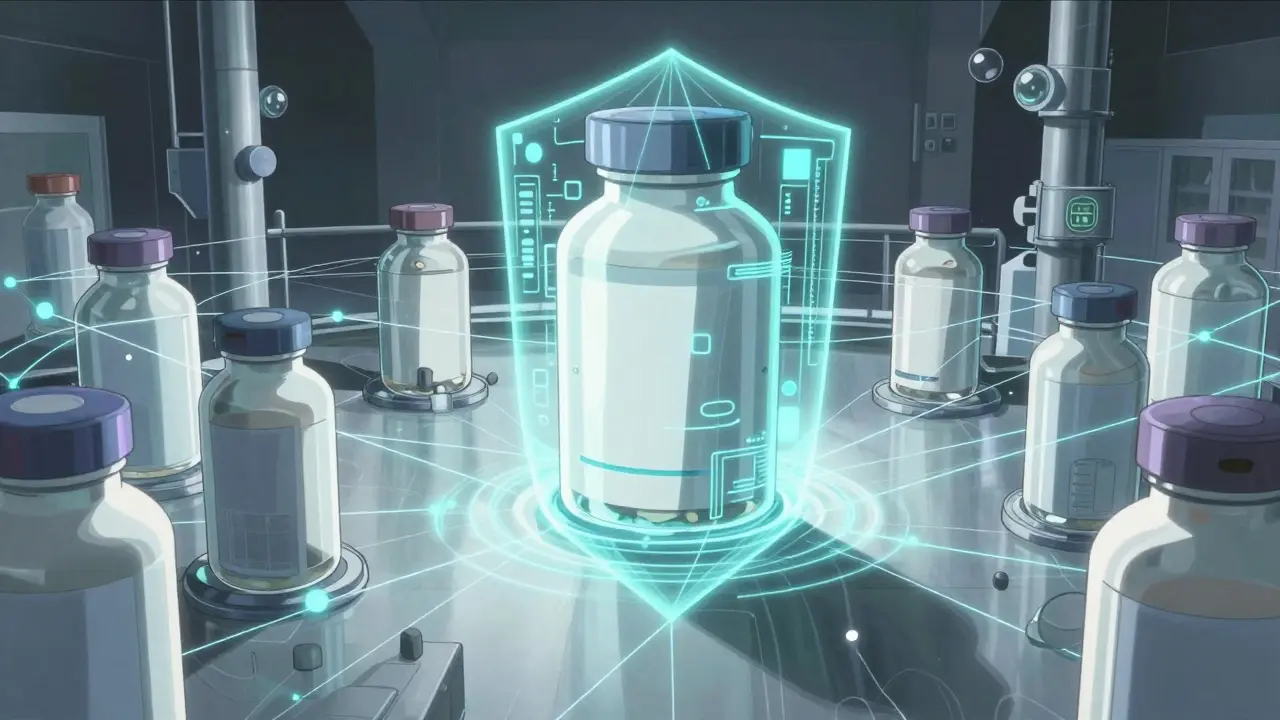
Imagine a world where you can't trust the pill in your hand. It looks right, the bottle has the correct label, but inside is nothing more than chalk or, worse, a toxic chemical. This isn't a movie plot; it's the reality of the global counterfeit drug trade. To stop this, the medical world has built a massive, high-tech fortress around the movement of medicine. Supply chain security isn't just about locks and keys-it's a digital web of tracking and verification that ensures the drug made in a sterile lab is exactly what reaches the patient.
The Blueprint for Protection: What is the DSCSA?
In the United States, the primary shield against fake medicine is the Drug Supply Chain Security Act is a federal law signed in 2013 that creates a strict electronic system for tracking prescription drugs from the manufacturer to the pharmacy. Commonly known as DSCSA, it shifted the industry from a loose, paper-based system to a rigorous digital infrastructure. The goal is simple: if a suspicious bottle of medicine appears, the system should be able to trace it back to the exact factory and batch in seconds.
The DSCSA isn't a one-time switch but a phased rollout. Since 2013, the FDA has moved the industry through milestones like package-level tracing and the mandatory verification of "suspect products." By November 2027, the goal is full interoperability, meaning every single trading partner-from the giant warehouse to the small neighborhood pharmacy-will exchange data electronically without any gaps. This system protects roughly 5.8 billion prescription packages every year.
The Tech Behind the Pill: Serialization and Traceability
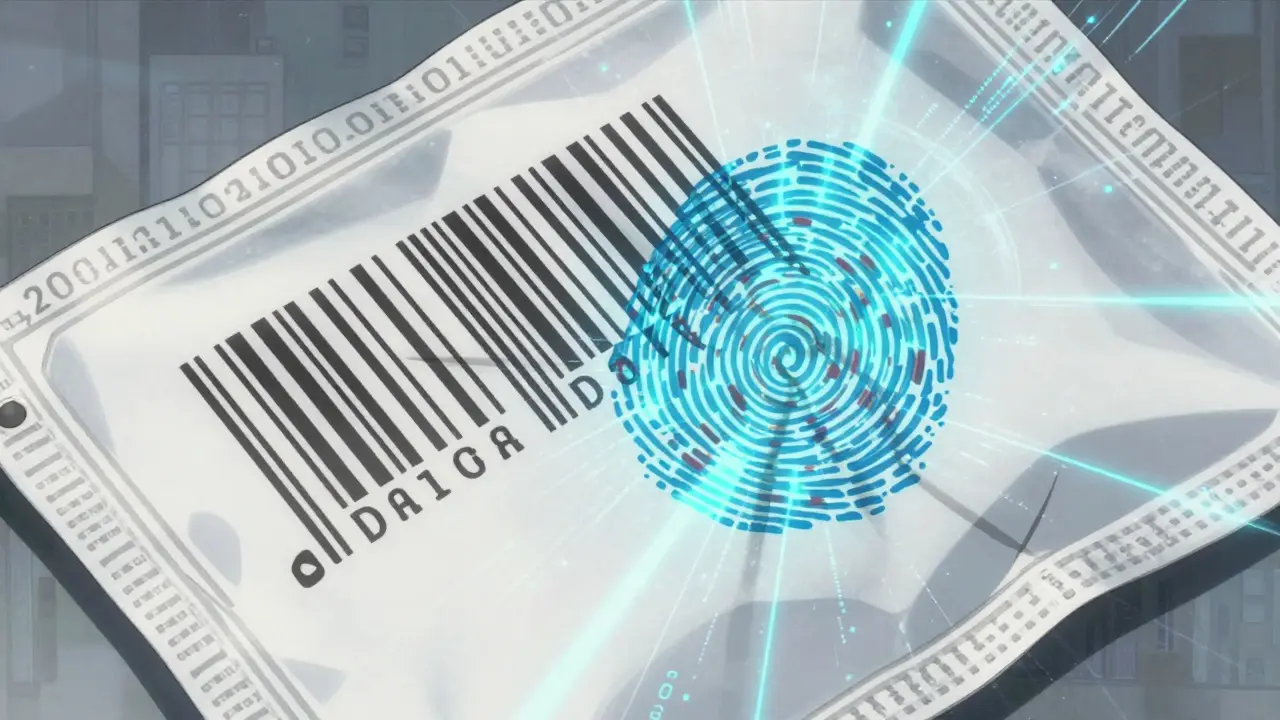
How do you tell one bottle of medicine from another if they all look identical? You give each one a "fingerprint." This is called Serialization is the process of assigning a unique, individual serial number to every single unit of sale in the pharmaceutical supply chain.
Every single package carries a Unique Product Identifier (UPI) embedded in a 2D Data Matrix barcode. This isn't your standard grocery store barcode. It contains a massive amount of data: the National Drug Code (NDC), a unique serial number, the lot number, and the expiration date. In the U.S. alone, about 1.2 million of these unique identifiers are generated every single day. When a wholesaler scans a shipment, they aren't just checking that they received 100 boxes; they are verifying 100 unique IDs against the manufacturer's database.
To make this work, the industry uses EPCIS is the Electronic Product Code Information Services standard developed by GS1 to allow different companies to share tracking data in a common language. Without a shared language, a manufacturer's computer wouldn't be able to "talk" to a pharmacy's computer. EPCIS ensures that when a drug moves from point A to point B, the digital record follows it instantly.
| Feature | U.S. DSCSA | EU FMD (Falsified Medicines Directive) |
|---|---|---|
| Data Model | Decentralized electronic exchange | Centralized repository (EMVS) |
| Serial Numbers | Up to 20 alphanumeric characters | 20-digit numeric codes |
| Dispensing Step | Verification of suspect product | Mandatory decommissioning of code |
| Implementation | Phased over 14 years | Centralized national verification |
Spotting the Fakes: Verification and the ATP System
Even with barcodes, some bad actors try to sneak fake drugs into the system. This is where the Authorized Trading Partner (ATP) protocol comes in. Before a wholesaler sells a drug to a pharmacy, they must verify that the supplier is a legitimate, licensed entity. They use a verification router service to ensure they aren't buying from an "underground" source.
But what happens if a package looks "off"? Maybe the printing is blurry, or the seal is broken. This triggers a suspect product investigation. Under FDA rules, trading partners must conduct a risk-based investigation within 24 hours. This involves checking the serial number against the original manufacturer's records. If the number doesn't exist or has already been marked as "delivered," the product is immediately quarantined. This process prevents thousands of potentially deadly incidents every year.
The Real-World Struggle: Costs and Challenges
If this system is so great, why do people complain about it? Because it's incredibly expensive and complex to run. For a giant company like Merck, updating their systems can reduce verification time from 15 minutes to under a minute. But for a small, independent pharmacy, the cost is a different story. Some pharmacy owners report spending nearly $20,000 a year just on software subscriptions and hardware to stay compliant.
There are also technical glitches. Barcode readability issues still affect about 12% of packages, and some legacy computer systems simply don't play nice with new GS1 standards. The biggest vulnerability remains the "human element" and the gap in international standards. When drugs cross borders, the U.S. system and the European system don't always align perfectly, creating small windows of opportunity for counterfeiters to operate.
What's Next for Drug Security?
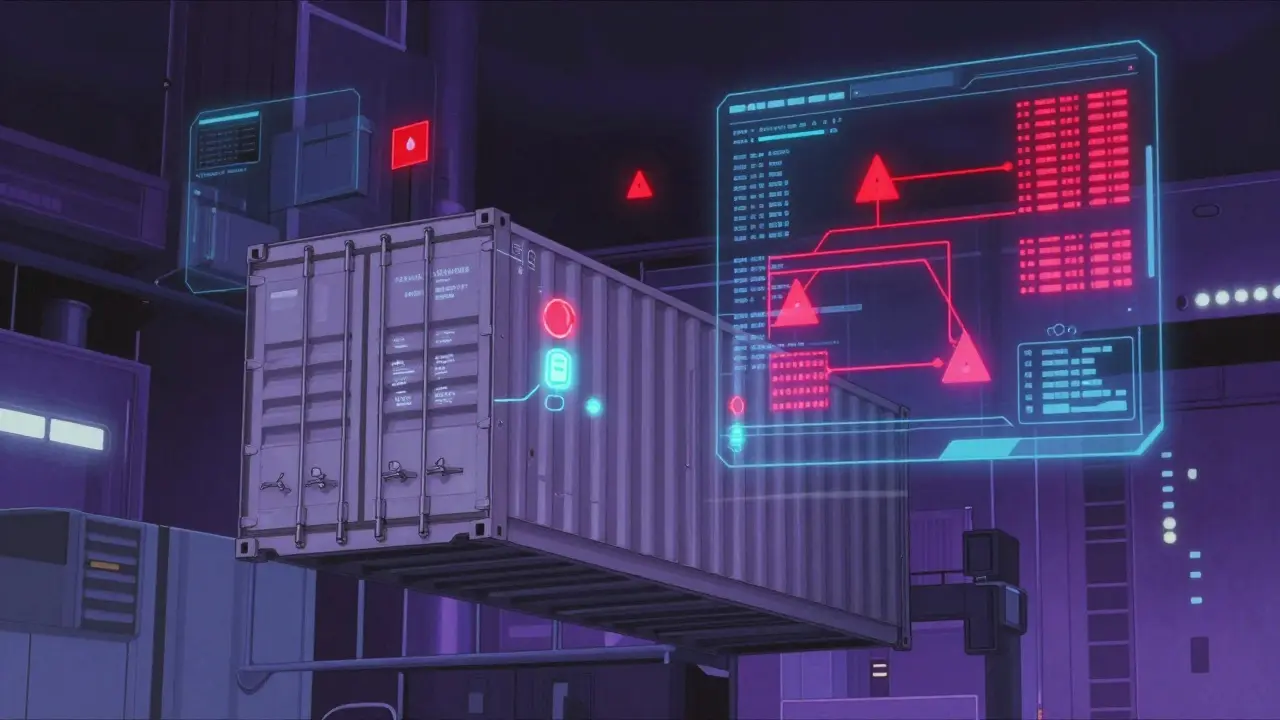
We are moving toward a more predictive future. While the current system is great at reacting to problems, the next step is using AI and blockchain to spot anomalies before they happen. Some wholesalers are already using artificial intelligence to flag unusual ordering patterns that might suggest a diversion of legitimate drugs into the black market.
By 2030, experts predict the supply chain will evolve into a predictive analytics platform. Imagine a system that doesn't just tell you a drug is fake, but alerts you that a specific shipping route has a 15% higher risk of contamination based on real-time data. We're also seeing more IoT sensors in the "cold chain"-the shipments of vaccines and biologics that must stay at specific temperatures. These sensors track not just where the drug is, but exactly how it's doing every second of the journey.
How do I know if my medication is counterfeit?
While the security systems happen behind the scenes, you can look for red flags: unusual packaging, spelling errors on the label, or pills that look different than usual. The best way to ensure safety is to buy only from licensed, reputable pharmacies that follow DSCSA guidelines.
Does serialization make medicine more expensive?
The implementation costs are high for companies-often millions for manufacturers-and these costs can sometimes be passed down to the consumer. However, the cost of a counterfeit drug crisis (including healthcare costs for injured patients) is far higher than the cost of the security technology.
What is the 2D Data Matrix barcode?
It is a small, square barcode that holds significantly more data than a traditional linear barcode. It allows the storage of the serial number, lot number, and expiration date in a tiny space, which is essential for small medicine vials.
What happens if a drug is flagged as "suspect"?
The product is immediately placed in quarantine. The trading partner must notify the manufacturer and, in many cases, the FDA. A forensic investigation is conducted to determine if the drug is counterfeit, contaminated, or simply a packaging error.
Why is the 2027 deadline important?
November 2027 is the final deadline for full interoperability. By this date, all paper-based records must be replaced by electronic data exchange. This removes the "blind spots" in the supply chain where counterfeiters often hide.
Next Steps and Troubleshooting
For pharmacy owners and healthcare providers, the road to 2027 involves a few key moves. First, audit your current software to see if it supports EPCIS 2.0 and JSON formats, as XML is becoming outdated. If you're experiencing high "false positive" rates during ATP verification, consider implementing staged verification protocols-prioritizing high-risk, high-cost medications over low-risk generics to save time.
If you suspect you've encountered a counterfeit drug, do not dispense it. Document the lot number and serial number immediately and contact your authorized wholesaler and the FDA's Office of Criminal Investigations. The faster the report, the faster the rest of the supply chain can be alerted to the breach.
