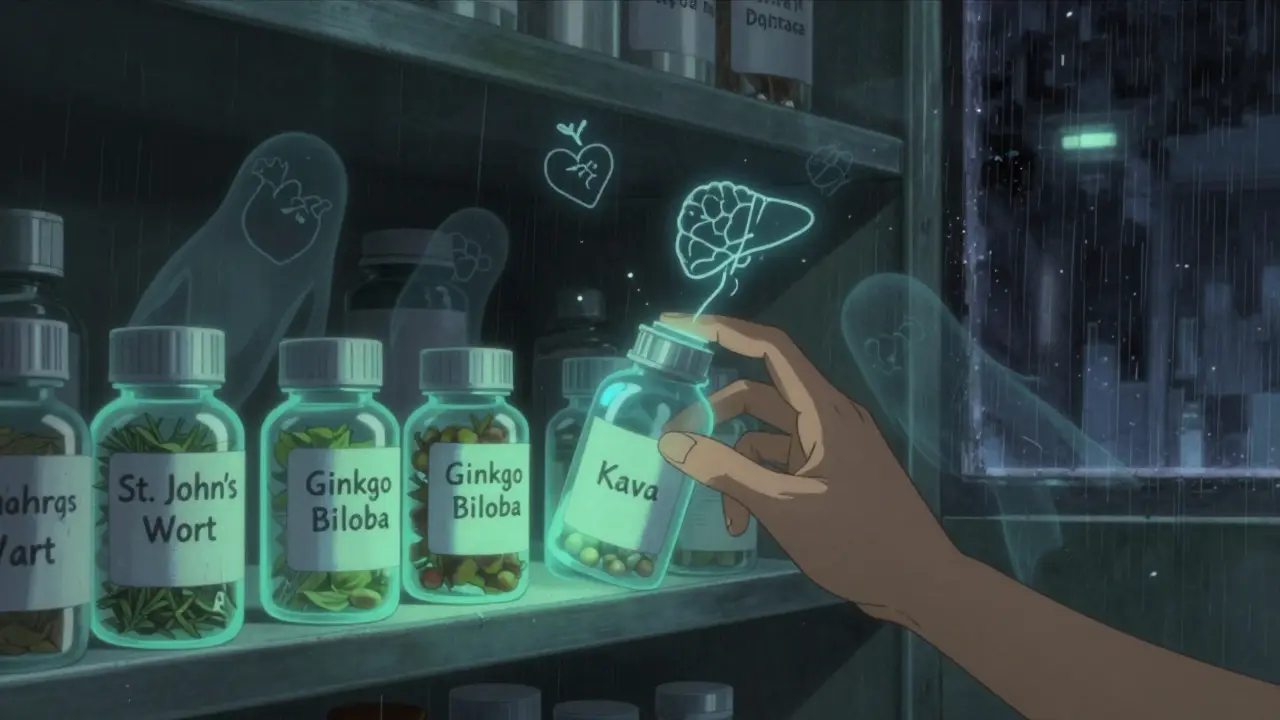
Every year, thousands of Americans take herbal supplements thinking they’re safe because they’re "natural." But what many don’t realize is that the FDA doesn’t approve these products before they hit store shelves. Some of these herbal products can interfere with prescription drugs, cause liver damage, or even trigger heart problems - and if you’re not telling your doctor you’re taking them, you’re putting yourself at serious risk.
Why Herbal Supplements Aren’t Like Prescription Drugs
Unlike pills you get from a pharmacy, herbal supplements don’t need FDA approval before being sold. Under the Dietary Supplement Health and Education Act (DSHEA) of 1994, companies can market these products as long as they don’t claim to cure diseases. That means a bottle labeled "Turmeric for Joint Pain" is legal, even if no study proves it works. The FDA only steps in after someone gets hurt - which is too late for many.There are over 80,000 dietary supplements on the market right now. About 75% of U.S. adults take at least one. But only 1% of adverse reactions are ever reported to the FDA. That’s because most people don’t connect their headaches, nausea, or irregular heartbeat to the herbal tea they started last week.
Herbal Products That Can Be Dangerous With Medications
Some herbal products are especially risky when mixed with common prescriptions. Here are the top ones the FDA and medical experts warn about:- St. John’s Wort - Often used for mild depression, this herb can reduce the effectiveness of birth control pills, blood thinners like warfarin, antidepressants, and even HIV medications. One patient on warfarin experienced dangerous bleeding after starting St. John’s Wort without telling their doctor.
- Ginkgo Biloba - Marketed for memory and circulation, ginkgo can thin the blood. When taken with aspirin, ibuprofen, or anticoagulants, it increases the risk of internal bleeding during surgery or after an injury.
- Green Tea Extract - While drinking green tea is fine, concentrated extracts in pills have been linked to liver failure. The FDA has issued multiple warnings about products containing high-dose green tea extract, especially those sold for weight loss.
- Valerian Root - Used as a sleep aid, valerian can amplify the effects of sedatives, anesthesia, and anti-anxiety drugs like benzodiazepines, leading to excessive drowsiness or trouble breathing.
- Kava - Promoted for anxiety relief, kava has been tied to severe liver damage. It’s banned in several countries and flagged by the FDA as a high-risk supplement.
These aren’t hypothetical risks. A 2018 study found that over 770 supplements between 2007 and 2016 contained hidden pharmaceutical drugs - like the active ingredient in Viagra or antidepressants - that weren’t listed on the label. Some products labeled as "natural weight loss aids" actually contained banned stimulants linked to heart attacks.
What’s Missing From the Label
Supplement labels look official, but they’re not reliable. The FDA requires a "Supplement Facts" panel, but here’s the catch: manufacturers don’t have to prove the ingredients listed are even present in the right amount. A 2022 USP study found that only 67% of non-verified supplements matched their label claims. That means you could be buying a product labeled "1000mg of Ashwagandha," but it might contain 200mg - or nothing at all.Even worse, some products contain completely undeclared ingredients. A 2013 JAMA Internal Medicine study found that 15% of tested supplements had hidden pharmaceuticals - often the same drugs found in prescription meds, but without dosage controls. One weight loss supplement was found to contain sibutramine, a drug pulled from the market because it increased stroke and heart attack risk.
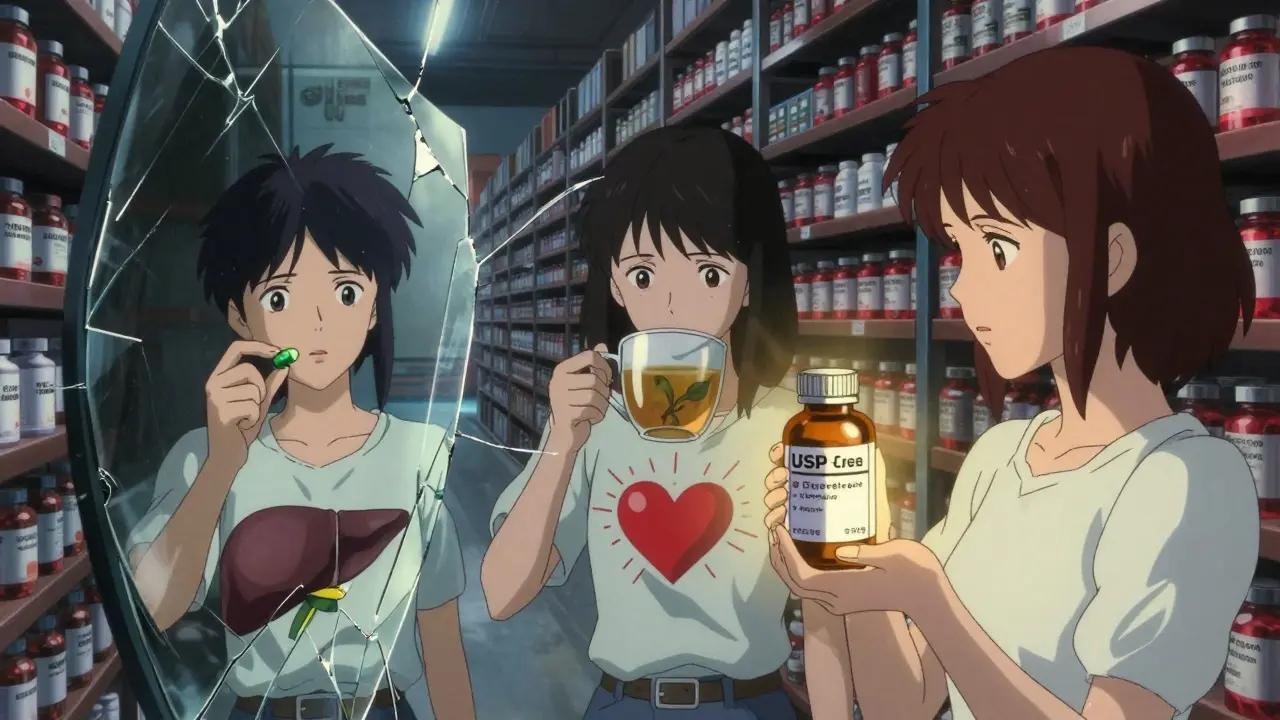
Look for the USP Verified Mark, NSF Certified for Sport, or ConsumerLab.com seal. These third-party groups test for purity, potency, and contamination. Products with these seals are 94% likely to match their label - compared to just 67% for those without.
Why Doctors Need to Know What You’re Taking
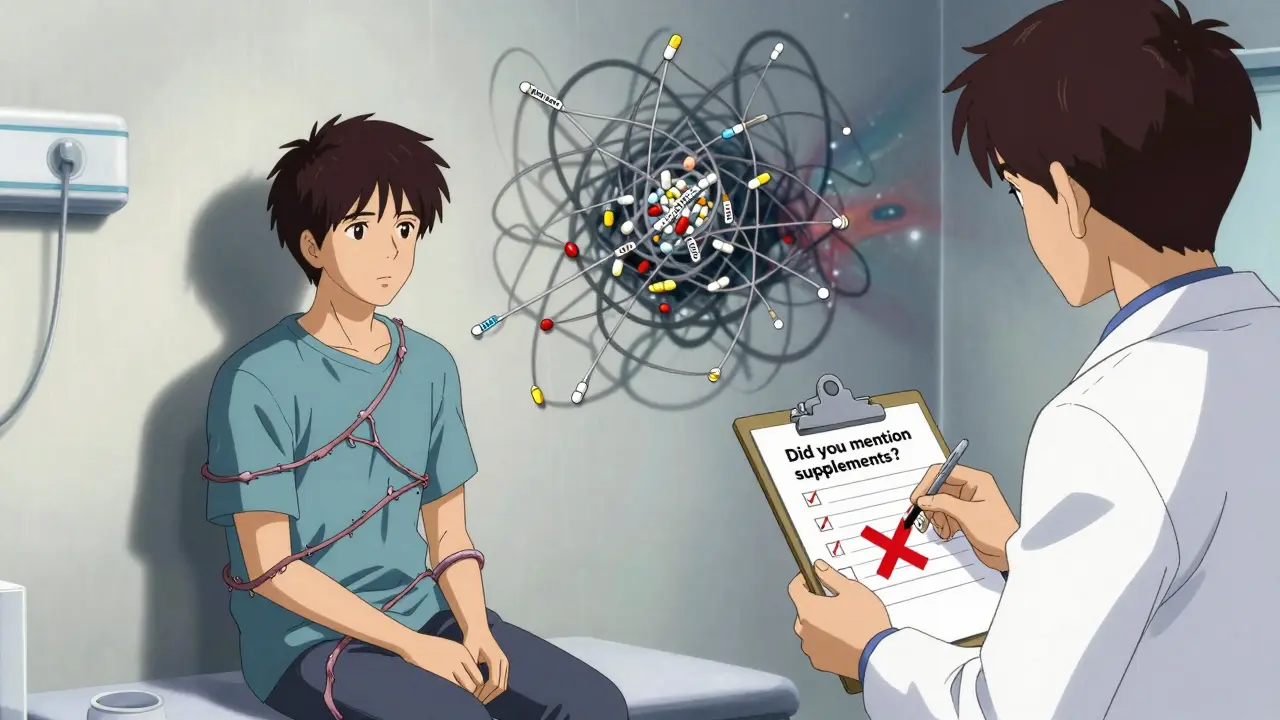
A 2022 survey of 1.5 million doctors on Sermo found that 68% of them regularly treat patients who don’t mention their supplement use. Why? Many think supplements are harmless. Others assume their doctor already knows. Some fear being judged.But the consequences are real. A patient taking blood pressure medication might start taking hawthorn berry to "support heart health," not realizing it can drop their blood pressure too low. Someone on thyroid medication might take iodine-rich kelp supplements, triggering dangerous thyroid swings.
At Johns Hopkins Hospital, doctors started asking five simple questions during check-ups:
- Are you taking any vitamins or supplements?
- What are you taking them for?
- How much are you taking?
- How often?
- Have you noticed any side effects?
Within six months, patient disclosure rates jumped from 32% to 78%. That’s not just better data - it’s safer care.
How to Protect Yourself
You don’t have to give up herbal products entirely. But you do need to be smarter about them:- Always tell your doctor and pharmacist - every time. Even if you think it’s "just a tea." Write it down before your appointment.
- Check the FDA’s Warning Letter Database - It’s free and updated weekly. Search for the product name or company. If there’s a warning, walk away.
- Look for third-party verification - USP, NSF, or ConsumerLab seals mean the product was independently tested.
- Know the Latin names - Labels should list botanical ingredients by their scientific names (like Hypericum perforatum for St. John’s Wort). If it’s missing, be suspicious.
- Avoid products that promise "miracle" results - If it claims to cure cancer, diabetes, or erectile dysfunction, it’s almost certainly illegal and dangerous.
The FDA has only banned two dietary ingredients since 1994: ephedra and methylsynephrine. That’s not because they’re safe - it’s because the system is broken. The agency has only 45 staff members to oversee 30,000 supplement companies. That’s less than one person per 670 businesses.
The Bigger Picture
The supplement industry is worth over $50 billion and growing fast. But consumer awareness is dangerously low. A 2022 Pew Research survey found that 59% of supplement users believe the FDA approves these products for safety and effectiveness before they’re sold. That’s not true - and it’s a dangerous myth.What’s changing? In 2023, Congress introduced the Dietary Supplement Listing Act, which would require companies to register their products with the FDA before selling them. That’s a big step toward accountability. Meanwhile, third-party verification is growing - from 5% of the market in 2020 to an estimated 15% by 2025.
Until then, you’re your own best defense. Don’t assume safety. Don’t assume transparency. And don’t assume your doctor knows what you’re taking - unless you tell them.
Do herbal supplements need FDA approval before being sold?
No. Unlike prescription drugs, herbal supplements do not need FDA approval before they are sold. Manufacturers can market them as long as they don’t claim to diagnose, treat, cure, or prevent diseases. The FDA only acts after a product is on the market and linked to harm.
Can herbal supplements interact with prescription medications?
Yes. Several common herbal products - including St. John’s Wort, ginkgo biloba, kava, and green tea extract - can interfere with blood thinners, antidepressants, birth control, thyroid meds, and sedatives. These interactions can cause serious side effects like bleeding, heart problems, or organ damage.
How do I know if a supplement is safe?
Look for third-party verification seals like USP, NSF, or ConsumerLab.com. These organizations test for purity, potency, and contamination. Also, check the FDA’s warning letter database for any recalls or violations tied to the product or manufacturer. Avoid anything that promises "miracle" results or hides ingredients.
Why don’t doctors always know what supplements I’m taking?
Many patients don’t mention supplements because they think they’re harmless, assume their doctor already knows, or fear being judged. Studies show up to 68% of patients don’t disclose supplement use - even though it can cause dangerous drug interactions. Always bring a list to every medical appointment.
What should I do if I have a bad reaction to a supplement?
Stop taking it immediately and contact your doctor. Then report the reaction to the FDA’s Safety Reporting Portal. Even if you don’t complete all 25 fields, your report helps the agency track dangerous products. Over 14,000 adverse events were reported between 2018 and 2022 - but experts believe fewer than 1% of incidents are ever reported.
What to Do Next
Start by making a list of every supplement, herb, or vitamin you take - including dosage and frequency. Bring it to your next doctor’s appointment. Ask: "Could this interact with anything I’m on?" If your doctor doesn’t ask about supplements, ask them why not.Visit the FDA’s website and search for your supplement’s name in the warning letter database. If you see a red flag, don’t ignore it. And if you’re unsure, skip it. There’s no rush. Your health isn’t a gamble.

LALITA KUDIYA
I started taking turmeric after my knee hurt & honestly? It helped more than the NSAIDs. But I told my doc & got bloodwork done. Just don't assume it's harmless 🌿😊
Anthony Capunong
This is why America is falling apart. We let unregulated junk flood the market because we're too lazy to take real medicine. If you want results, take a prescription. Stop playing with herbs like some hippie witch.
Vince Nairn
Yeah sure, the FDA's got 45 people watching 30k companies... meanwhile my cousin's uncle's friend got liver failure from a 'natural' weight pill. Guess who didn't tell his doctor? 😏 Meanwhile, I just take my vitamins with a side of skepticism and a Google search. That's my FDA.
Ayodeji Williams
Bro this whole thing is a scam. Big Pharma don't want you healing naturally. They make billions off your pills. Kava? Green tea extract? Those are ancient remedies. The FDA is just protecting their profits 🤡💊
Emma Addison Thomas
I've been taking ashwagandha for years here in the UK, always with my GP's knowledge. It's not about demonizing herbs-it's about informed use. The lack of regulation is a global problem, not just an American one.
Mina Murray
You think the FDA is your friend? They approved Roundup for decades. They let mercury in vaccines. They let pharma companies lie about opioids. So why would you trust them to regulate supplements? The real danger is trusting ANY system that profits from your ignorance.
Christine Joy Chicano
The real tragedy isn't just the dangerous supplements-it's the fact that people believe 'natural' = safe. That’s like saying 'wild' = healthy. A rattlesnake is natural. Poison ivy is natural. The human body evolved to avoid these things, not ingest them in concentrated doses. We've outsourced our common sense to marketing departments. And don't get me started on 'herbal Viagra' pills that contain sildenafil analogs. That's not wellness-it's pharmaceutical roulette.
Adam Gainski
I'm a pharmacist. Every day, someone walks in with a bottle they bought online saying 'it's just a supplement.' I've seen people on warfarin with INRs over 12 because of St. John’s Wort. I've seen ER visits from green tea extract liver failure. I don't hate supplements. I hate ignorance. Tell your doctor. Check for USP. Don't be the statistic.
Anastasia Novak
OMG I just realized I’ve been taking ginkgo with my blood thinner. I’m gonna die alone in my apartment surrounded by empty tea bags and a half-eaten jar of 'natural energy boosters' from Amazon. This is the end. #HerbalHellscape #RIPMyLiver
Jonathan Larson
The underlying issue here is not merely regulatory failure-it is the epistemological vacuum in which modern consumers operate. We have replaced ritualized, culturally embedded healing practices with commodified, atomized, and unverified chemical formulations masquerading as wellness. The absence of FDA pre-approval is symptomatic of a deeper cultural abandonment of epistemic humility. One does not heal by consuming more; one heals by understanding less.
Alex Danner
I used to take everything. Now I only take what has USP or NSF. And I keep a little notebook: name, dose, why, when I started. I showed it to my cardiologist last month. He said, 'I wish everyone did this.' It takes five minutes. It could save your life. Do it.