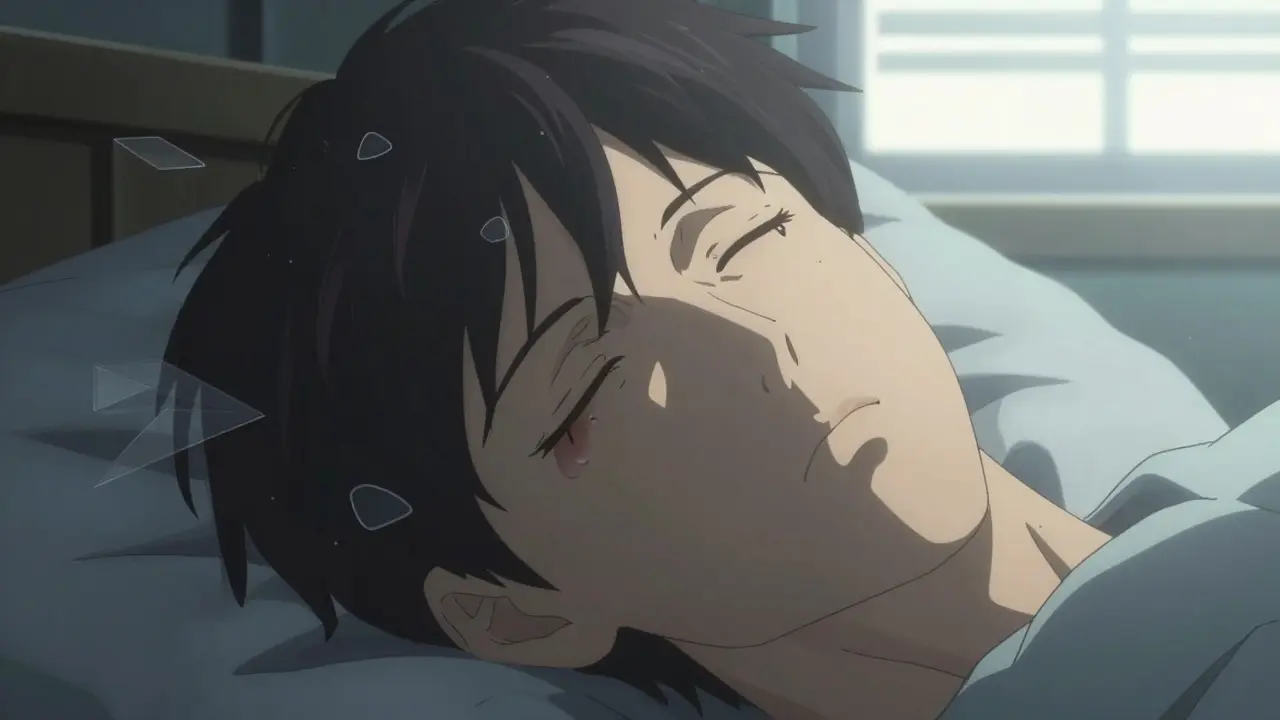
Waking up with your eyelids glued shut is not just uncomfortable-it’s a classic sign of blepharitis. This chronic condition affects nearly half of all patients visiting eye care professionals, yet many people suffer in silence, thinking it’s just "dry eyes" or bad luck. The truth is that blepharitis is a manageable, though persistent, inflammation of the eyelid margins. While there is no permanent cure, you can control it effectively. The secret isn’t expensive medication; it’s consistent, proper technique with simple tools like warm compresses.
If you’ve tried washing your face more often without relief, you’re likely missing the core mechanism of the problem. Blepharitis isn’t a surface-level infection you can wipe away; it’s a blockage issue deep within the glands at the base of your eyelashes. Understanding why this happens and how to physically unclog those glands is the only way to stop the cycle of redness, grit, and morning crusting.
What Is Blepharitis and Why Does It Happen?
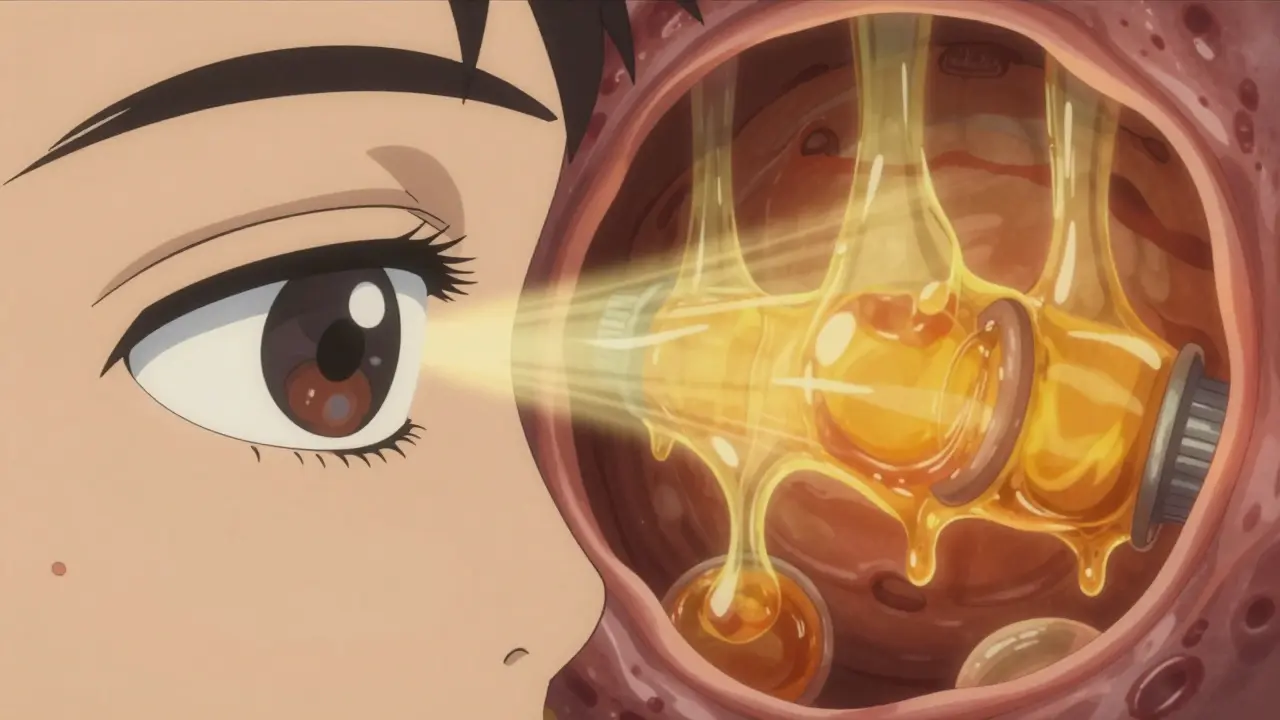
Blepharitis is defined as chronic inflammation of the eyelid margins. Think of your eyelids like a kitchen sink. Over time, grease (oil) builds up in the drain. If that grease hardens, water can’t flow freely, and things get messy. In your eyes, the "grease" is oil from the meibomian glands, which sit along the inner edge of your eyelids. These glands secrete oil that keeps your tears from evaporating too quickly. When they get blocked, the oil thickens, bacteria overgrow, and inflammation sets in.
There are two main types, and knowing which one you have helps you treat it better:
- Anterior Blepharitis: This affects the outer front edge of the eyelid where your eyelashes attach. It’s often caused by bacterial overgrowth or skin conditions like seborrheic dermatitis (dandruff). You’ll see dandruff-like flakes around your lashes.
- Posterior Blepharitis (Meibomian Gland Dysfunction): This involves the inner eyelid edge. It’s more common and directly linked to the clogged glands mentioned above. The oil becomes too thick to exit, leading to dry, irritated eyes.
According to data from the National Eye Institute, about 63% of cases involve these posterior glands. The condition usually affects both eyes simultaneously. It is not contagious, so you won’t pass it to family members, but it is stubborn. Approximately 89% of cases require ongoing management because the underlying tendency for glands to clog doesn’t just disappear overnight.
Spotting the Signs: Is It Really Blepharitis?
Many people mistake blepharitis for allergies or general fatigue. However, the symptoms are quite specific. If you experience several of the following, especially in the morning, it’s likely blepharitis:
- Morning Crusting: Your eyelids feel stuck together when you wake up due to dried secretions. About 93% of patients report this.
- Gritty Sensation: A persistent feeling like sand or dust is in your eyes, even after blinking.
- Redness and Swelling: The rims of your eyelids look inflamed and may be tender to the touch.
- Foamy Tears: Your tears appear bubbly or frothy, indicating an imbalance in the tear film.
- Lash Issues: You might notice loss of eyelashes or misdirected growth in chronic cases.
A key diagnostic clue is temperature. Studies show that affected eyelid margins are often 2-3°C warmer than unaffected areas due to localized inflammation. If you touch your eyelid rim and it feels hotter or more sensitive than usual, that’s a strong indicator.
The Gold Standard: Warm Compress Therapy
If there is one thing every major eye health institution agrees on, it’s this: warm compresses are the cornerstone of treatment. Antibiotics or steroid drops might help temporarily, but they don’t fix the root cause-the clogged glands. Heat does.
The goal is to melt the thickened oil inside the meibomian glands so it can flow out again. But here’s the catch: most people do it wrong. They use water that’s barely warm, or they give up after three minutes when the heat fades. To work, the compress must reach a therapeutic temperature of 40-45°C (104-113°F) and stay there for 10-15 minutes.
Why is precision so important? Research from UVA Health shows that temperatures below 38°C have minimal effect on melting the waxy oil. Conversely, anything above 48°C risks burning the delicate skin of your eyelids. It’s a narrow window, but staying within it yields results. A study from the Cleveland Clinic found that consistent application for 21 days improved gland secretion quality by 68%.
Step-by-Step: How to Apply Warm Compresses Correctly
You don’t need fancy equipment to start, but you do need discipline. Here is the proven protocol recommended by ophthalmologists:
- Choose Your Tool: You can use a clean washcloth soaked in hot water, but it cools down fast. Microwavable gel packs or specialized electric warming masks (like the Bruder Moist Heat Eye Compress) maintain temperature longer. If using a washcloth, you’ll need to reheat it 2-3 times during the session.
- Apply Heat: Close your eyes and place the compress gently over them. Keep it there for 10-15 minutes. Do not squeeze your eyes shut tightly; let the compress rest lightly.
- Massage Immediately: This step is critical. While the lids are still warm, use your index finger to gently massage the eyelids. For the upper lid, stroke downward toward the lash line. For the lower lid, stroke upward. Imagine a windshield wiper motion. This physical pressure helps express the melted oil from the glands.
- Cleanse: After massaging, clean the eyelid margin. Use a preservative-free lid scrub solution or diluted baby shampoo on a cotton swab. Gently wipe along the base of the lashes to remove debris and bacteria.
- Moisturize: If your eyes still feel dry, apply artificial tears.
Do this twice daily-morning and night. Morning sessions help prevent the overnight buildup of crusts, while evening sessions clear out the day’s debris. Consistency is key. Patients who stick to this routine for 30 days see a 67% improvement in symptoms, compared to only 22% for those who are inconsistent.
Common Mistakes That Sabotage Your Progress
Even with the best intentions, many people fail to get relief because of small errors. Avoid these pitfalls:
- Not Heating Long Enough: Five minutes is not enough. The heat needs time to penetrate the tissue and reach the glands deep inside the lid. Aim for at least 10 minutes of sustained warmth.
- Skiping the Massage: Heat alone melts the oil, but massage pushes it out. Without massage, the oil may just re-solidify once the lid cools.
- Using Rough Materials: Avoid coarse towels that can scratch the cornea if debris falls into the eye. Soft cloths or dedicated eye masks are safer.
- Inconsistent Timing: Doing it sporadically allows bacteria and debris to rebuild. Treat it like brushing your teeth-a daily habit, not an occasional fix.
When to See a Doctor
While home care works for most mild-to-moderate cases, some situations require professional intervention. Consult an ophthalmologist if:
- Your vision changes or becomes blurry.
- You experience severe pain or light sensitivity.
- Home care doesn’t improve symptoms after 3-4 weeks of strict adherence.
- You develop styes (painful red bumps) repeatedly.
In stubborn cases, doctors may prescribe antibiotic ointments, oral antibiotics (like doxycycline), or anti-inflammatory drops. Newer technologies, such as the TearCare System, offer in-office treatments that deliver precise heat to the glands, but these are typically reserved for cases where home therapy fails.
Living With Blepharitis: Long-Term Management
Blepharitis is a chronic condition, meaning it tends to flare up. Think of management as maintenance, not a one-time fix. Once your symptoms are under control, you can reduce the frequency of warm compresses to once daily or every other day for maintenance.
Dietary changes can also support eye health. Some studies suggest that omega-3 fatty acids (found in fish oil supplements) may improve the quality of meibomian gland secretions. Adding 2,000 mg of EPA/DHA daily has been shown to boost treatment efficacy by 34% when combined with warm compresses.
Finally, manage underlying triggers. If you have dandruff, treating your scalp can reduce anterior blepharitis. If you wear makeup, replace old products regularly and avoid waterproof formulas during flares, as they are harder to remove and can irritate the lids.
How long does it take for warm compresses to work for blepharitis?
Most patients notice significant improvement within 14 to 21 days of consistent, twice-daily treatment. However, full stabilization can take up to 30 days. The key is maintaining the correct temperature (40-45°C) for the full 10-15 minutes each session.
Can I use a heating pad instead of a warm compress?
Standard electric heating pads are generally too hot and lack moisture, which can dry out the eyes further. It is safer to use microwavable gel eye masks designed specifically for this purpose, as they regulate temperature better and provide moist heat, which is more effective for melting gland oils.
Is blepharitis contagious?
No, blepharitis is not contagious. You cannot spread it to others through contact. However, poor eyelid hygiene can worsen your own condition, so it is important to wash your hands before touching your eyes and to avoid sharing towels or pillows during active flare-ups.
Should I massage my eyelids before or after the warm compress?
You should massage your eyelids immediately after removing the warm compress. The heat liquefies the hardened oil in the glands, and the massage helps push that oil out. Massaging before heating is less effective because the oil is still solid and difficult to move.
Does diet affect blepharitis?
Yes, diet plays a supportive role. Consuming omega-3 fatty acids, either through food (like salmon and walnuts) or supplements, can improve the quality of the oil produced by your meibomian glands. Studies show that combining omega-3 supplementation with warm compresses can increase treatment effectiveness by 34%.
